
Sanitation Library
Total results: 4466
Searching for information on Sanitation Workers?
The Sanitation Workers Knowledge + Learning Hub is the best source for all current news, trends, articles and updates on sanitation workers rights around the world.
1023 Views
10 Downloads
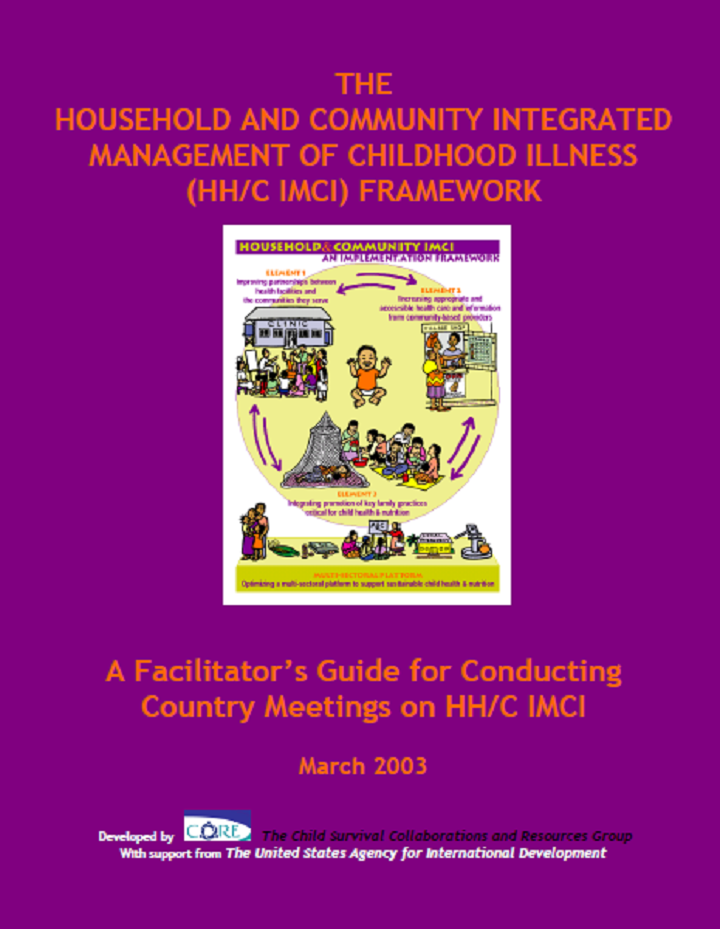
A Positive Deviance/Hearth Nutrition Program (PD/Hearth) is a home- and neighborhood-based nutrition program for children who are at risk for protein-energy malnutrition in developing countries. The program uses the “positive deviance” approach to identify those behaviors practiced by the mothers or caretakers of well-nourished children from low-resource families and to transfer such positive …
1049 Views
10 Downloads
The study of behaviours that influence health and the factors determining which individuals will and will not perform such behaviours has become a key area of research within health psychology. As the second edition of this book testifies, there is a considerable and impressive body of research in this area. The purpose of this book is to provide in a single source an overview of current research …
823 Views
10 Downloads
Engaging communities in humanitarian programming is key to ensuring their participation in decision-making that affects them as outlined by commitment 4 of the Core Humanitarian Standards. Based on learning from the West-African Ebola response (2014–2016), Oxfam’s WASH (water, sanitation, and hygiene) team is undertaking a paradigm shift toward greater community engagement (hereafter referred …
1187 Views
10 Downloads
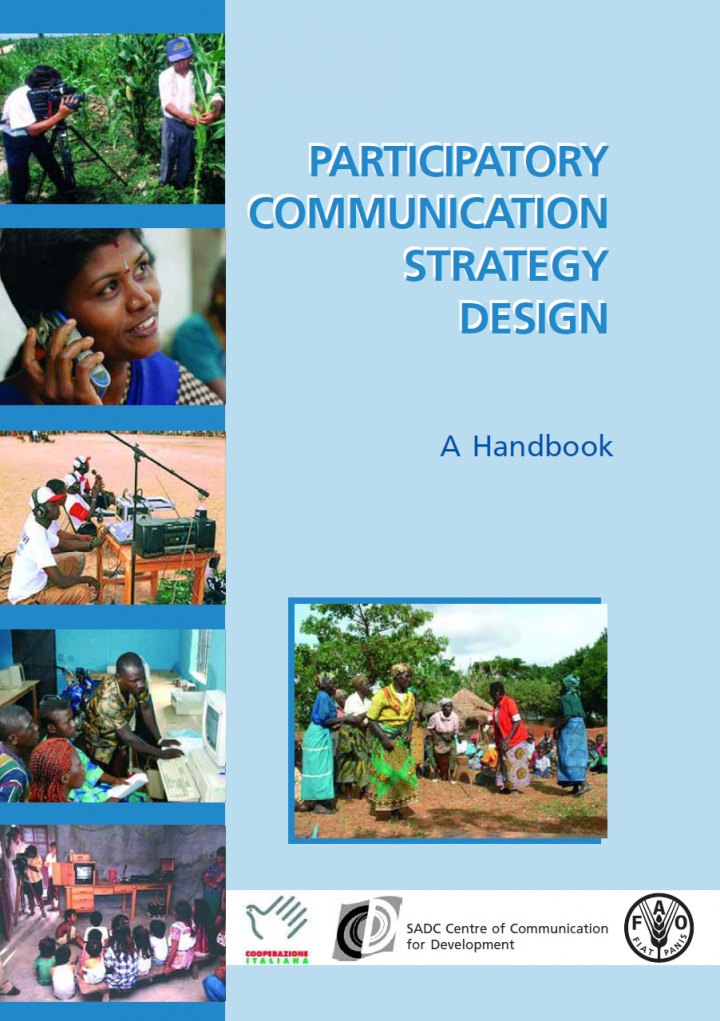
This Handbook has been prepared as a training and field guide for designing, implementing and managing communication strategies for development purposes based on the results of field Participatory Rural Communication Appraisal (PRCA). The book is a follow up to Participatory Rural Communication Appraisal: Starting with the People. As a logical continuation of the intervention initiated through …
988 Views
10 Downloads
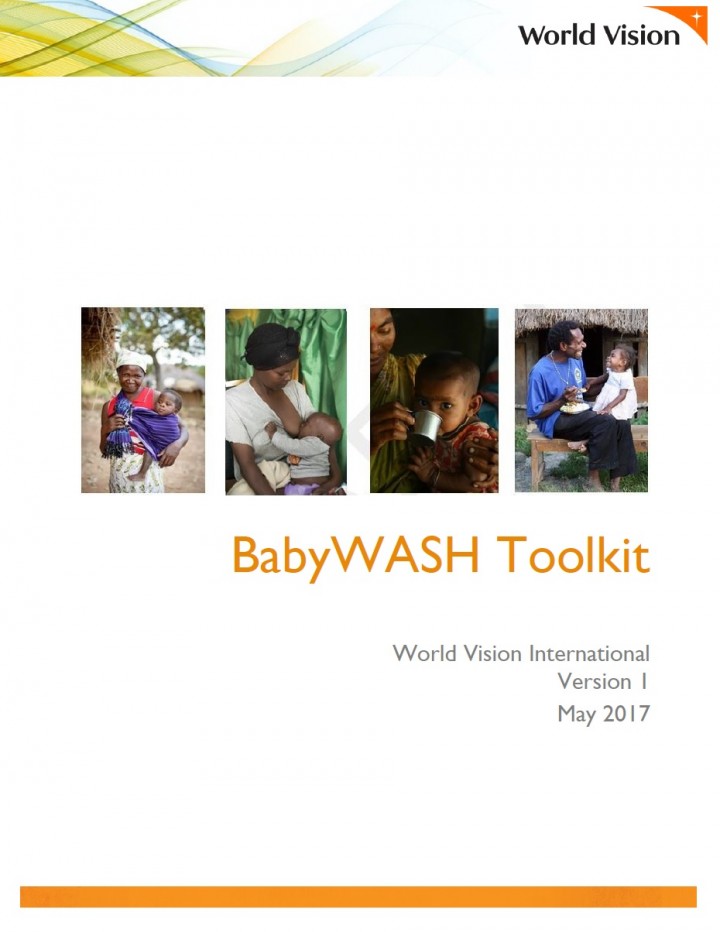
BabyWASH at World Vision is an initiative which aims to improve the integration of water, sanitation and hygiene (WASH) interventions with maternal, newborn and child health (MNCH), nutrition and early childhood development (ECD), to enable a more profound impact on child health outcomes in the first 1,000 days of life. The initiative was developed due to a recognised gap in the integration in …
943 Views
10 Downloads
This manual was developed by WaterAid Timor-Leste as a means to integrate gender inequality as a significant consideration in its water, sanitation and hygiene (WASH) programming at the community level. The Manual aims to foster and encourage change towards greater gender equality.
The approach is not to conduct formal ‘training’ but to facilitate opportunities for dialogue between women and …
1090 Views
10 Downloads
This guidance seeks to address key gaps with respect to the specific practicalities of managing menstrual materials. Displaced women and girls using disposable products face clear challenges figuring out how to get rid of them in their constrained contexts. And those using reusable materials must be able to wash, dry and store them hygienically between periods, similarly with limited privacy. To …

853 Views
10 Downloads
Handwashing with soap for minimum 40 seconds is one of the precautionary measures suggested and advocated globally since the outbreak of COVID-19 (Corona Virus Disease). The pandemic has created a demand for behaviour change and sustained practices of Handwashing with soap. This calls for exploring existing options of handwashing stations and create newer designs of handwashing stations globally, …
1349 Views
10 Downloads
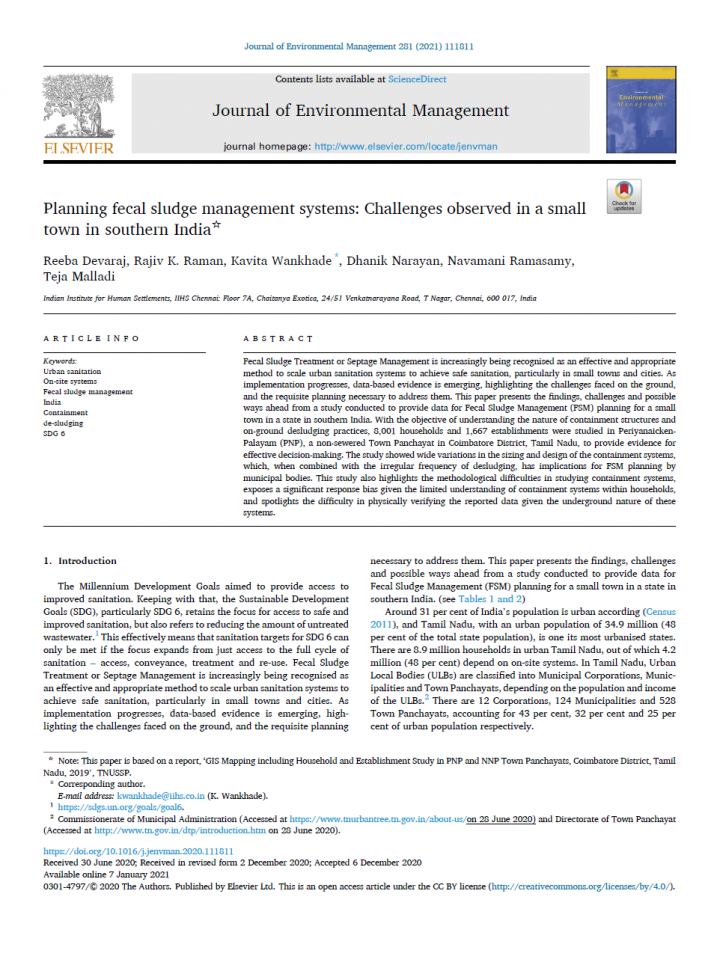
Fecal Sludge Treatment or Septage Management is increasingly being recognised as an effective and appropriate method to scale urban sanitation systems to achieve safe sanitation, particularly in small towns and cities. As implementation progresses, data-based evidence is emerging, highlighting the challenges faced on the ground, and the requisite planning necessary to address them. This paper …
997 Views
10 Downloads
Clean water provision is a critical component of emergency response, and chlorination is widely used in emergencies to treat water. To provide responders with practical, evidencebased recommendations for implementing chlorination programmes and recommend areas for future research, we conducted a literature review of chlorination in emergencies, supplemented with a literature review on …
1004 Views
10 Downloads
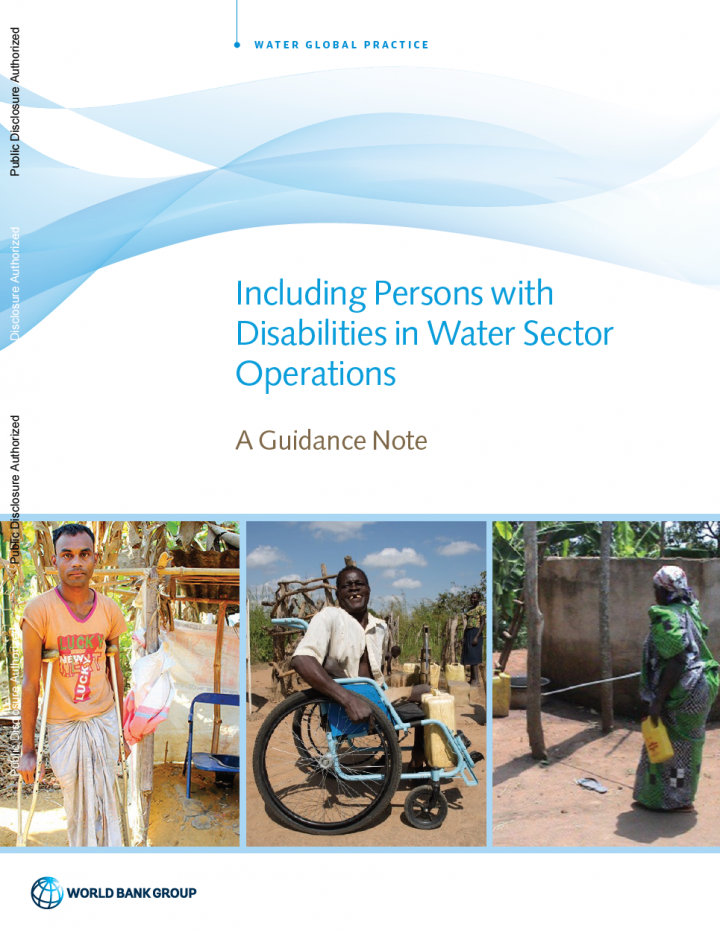
Globally, more than a billion people—approximately 15 percent of the world’s population, or one in seven persons—have disabilities. Of those, 80 percent live in developing countries. This number is expected to increase as the prevalence of disability is impacted by disease, war and conflict, natural disasters, and road traffic injuries, among other factors. In addition, persons over the age …
1182 Views
10 Downloads
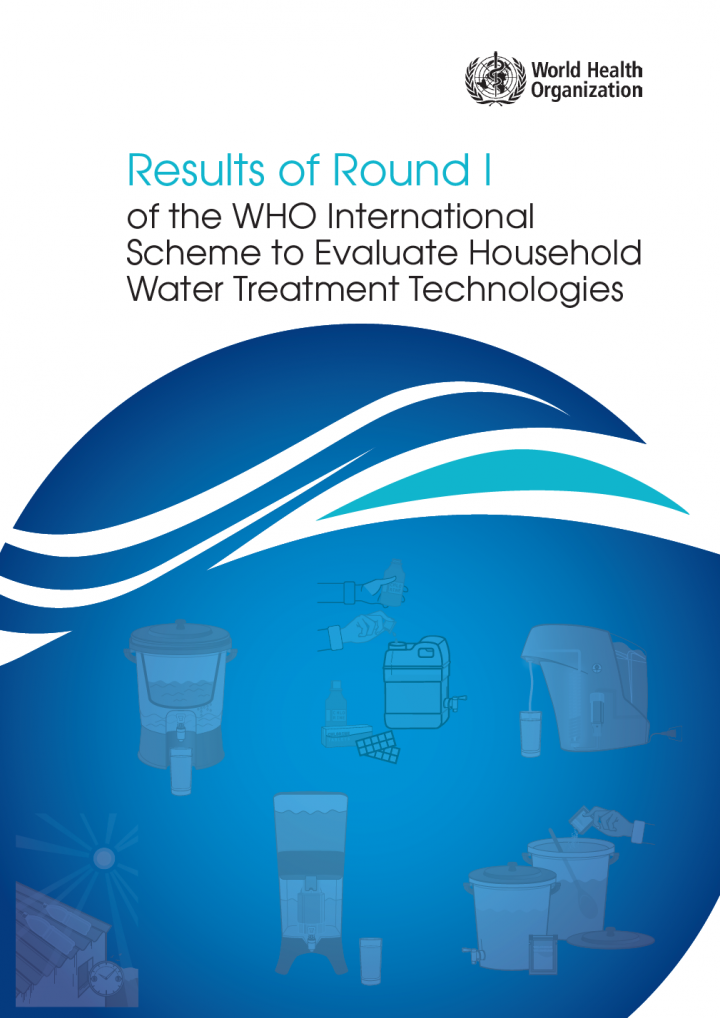
Globally, an estimated 1.9 billion people use either an unimproved water source or an improved source that is faecally-contaminated. Furthermore, 502,000 diarrhoeal deaths in low- and middle-income countries can be attributed to insufficient and unsafe drinking-water (WHO, 2014a). The vast majority of these deaths occur in Africa and South-East Asia, mainly among vulnerable populations, including …
1313 Views
10 Downloads
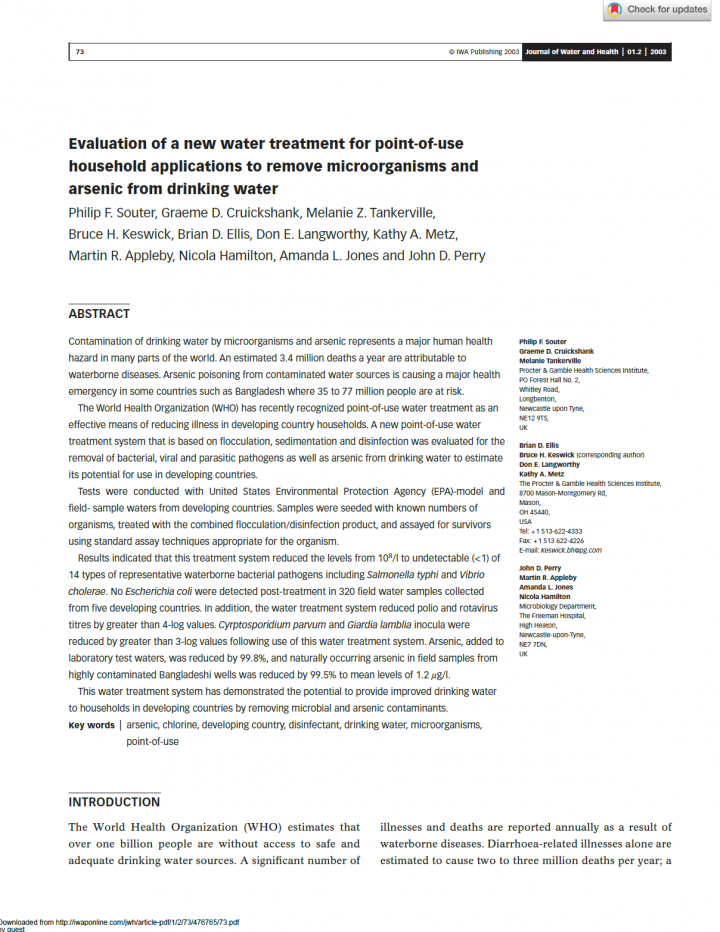
Contamination of drinking water by microorganisms and arsenic represents a major human health hazard in many parts of the world. An estimated 3.4 million deaths a year are attributable to waterborne diseases. Arsenic poisoning from contaminated water sources is causing a major health emergency in some countries such as Bangladesh where 35 to 77 million people are at risk.
The World Health …
713 Views
10 Downloads
This report explores ways by which private sector engagement in FSSM can be successfully accelerated by looking at potential business opportunities and challenges in FSSM, lessons that can be learned from current FSSM practice and finally, key takeaways for the key stakeholders in the ecosystem. While each of these segments touch upon separate aspects of the FSSM ecosystem, the common thread of …
1570 Views
10 Downloads
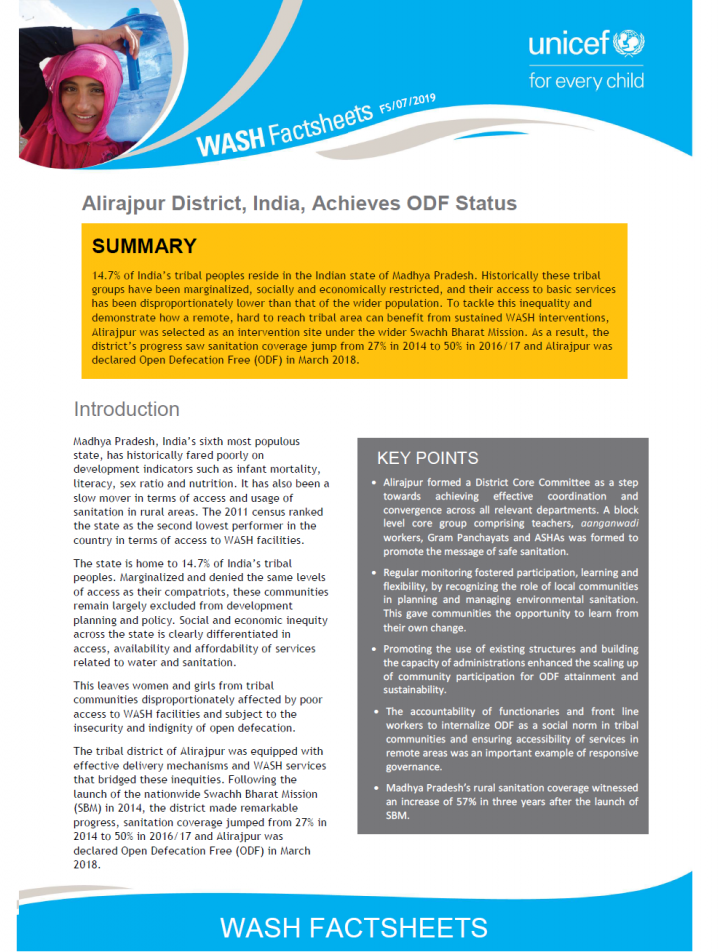
14.7% of India’s tribal peoples reside in the Indian state of Madhya Pradesh. Historically these tribal groups have been marginalized, socially and economically restricted, and their access to basic services has been disproportionately lower than that of the wider population. To tackle this inequality and demonstrate how a remote, hard to reach tribal area can benefit from sustained WASH …
1665 Views
10 Downloads
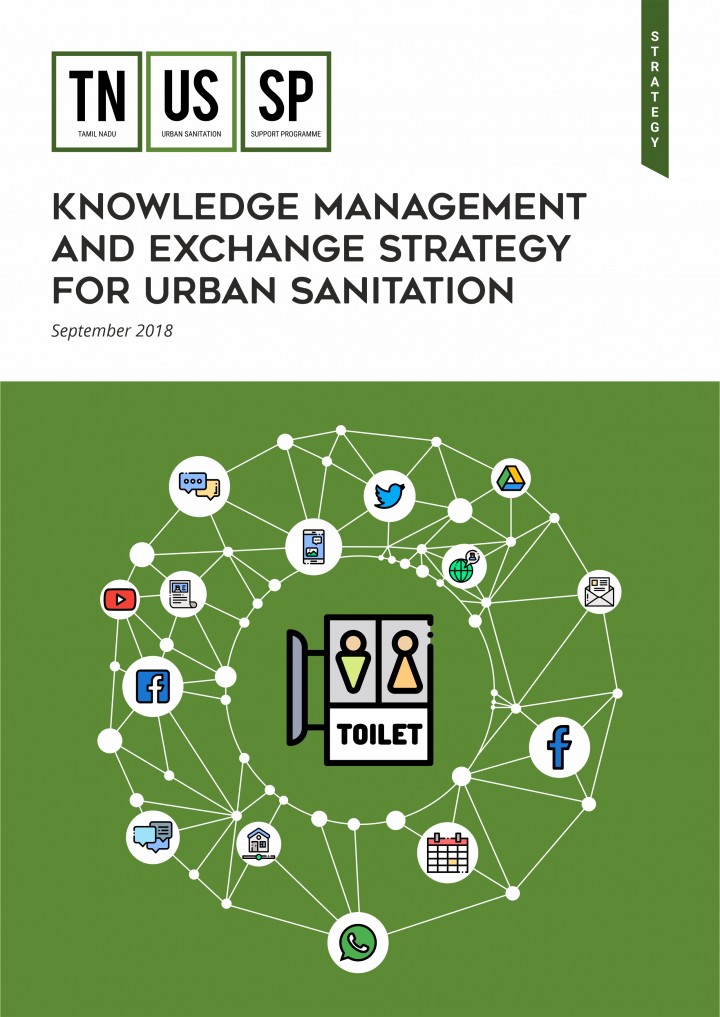
In Tamil Nadu, currently, a range of behaviour deficits exist along the full cycle of sanitation at the stages of access, containment, emptying, transport, treatment and re-use/disposal. However, communication strategies in the sanitation sector have been largely limited to promoting hygiene behaviours such as handwashing or stopping open defecation by promoting the use of toilets. While these …
1908 Views
10 Downloads
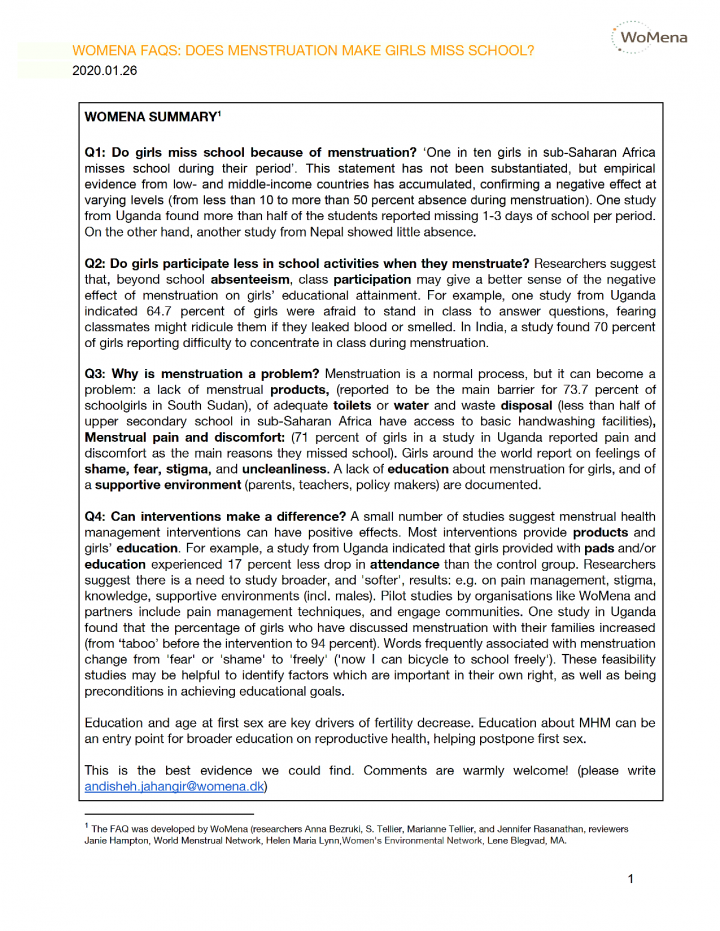
Q1: Do girls miss school because of menstruation? ‘One in ten girls in sub-Saharan Africa misses school during their period’. This truism has not been substantiated, but empirical evidence from low- and middle-income countries has accumulated, confirming a negative effect at varying levels (from less than 10 to more than 50 percent absence during menstruation). One study from Uganda found …
1348 Views
10 Downloads
Sometown is a regional center in a predominantly agricultural area. It serves as a commercial center for this area, and has a well-established light industry as well as several food and cotton processing enterprises.
Water for the municipal supply is abstracted from wellfields 5 km east of the city limits. Water quality is at present excellent; the water is chlorinated, but only as a …
1166 Views
10 Downloads
It seems people these days can’t stop talking about periods. From derision by presidential candidates, to taboo-breaking Instagrammers and marathoners, menstruation is no longer in the closet. The Society for Menstrual Cycle Research (SMCR) has been building the evidence base and articulating menstruation’s role in health and well-being for over 40 years. SMCR was the first multidisciplinary …
1324 Views
10 Downloads
In this regional analysis, the UN-Water Global Analysis and Assessment of Sanitation and Drinking-Water (GLAAS) 2013/2014 country survey data from 11 Eastern Mediterranean Member States and territories, i.e. countries, are presented along with information provided by 23 external support agencies (ESAs). The 11 countries representing a population of 430 million in the WHO Eastern Mediterranean …


