
Sanitation Library
Total results: 4466
Searching for information on Sanitation Workers?
The Sanitation Workers Knowledge + Learning Hub is the best source for all current news, trends, articles and updates on sanitation workers rights around the world.

2095 Views
39 Downloads
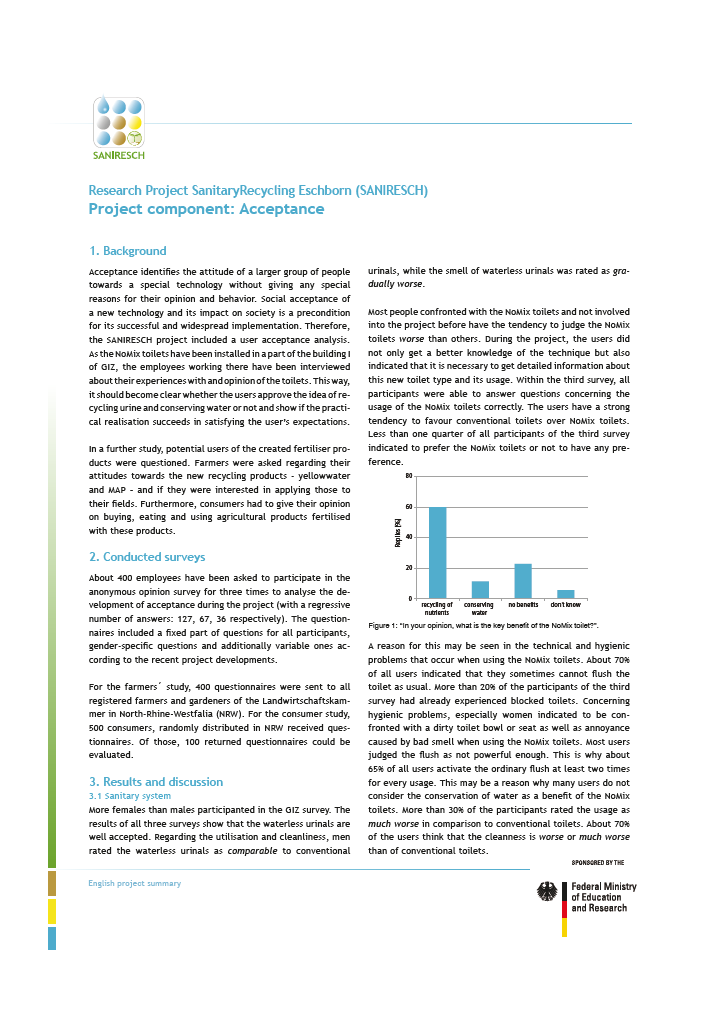
The acceptance of the innovative sanitation system and the utilisation of human urine was investigated within the SANIRSCH-project. In conjunction with the agricultural production / legal situation component farmers were asked if they would be willing to fertilise their agricultural crops with human urine. In a second study consumers were asked if they would find products fertilised with urine …
2495 Views
39 Downloads
Safe disposal of children’s feces is as essential as that of adults’ feces. The Joint Monitoring Program for Water Supply and Sanitation (JMP) tracks progress toward the Millennium Development Goal 7 target to halve, by 2015, the proportion of people without sustainable access to safe drinking water and basic sanitation. The JMP standardized definition for an improved sanitation facility is …
2079 Views
39 Downloads
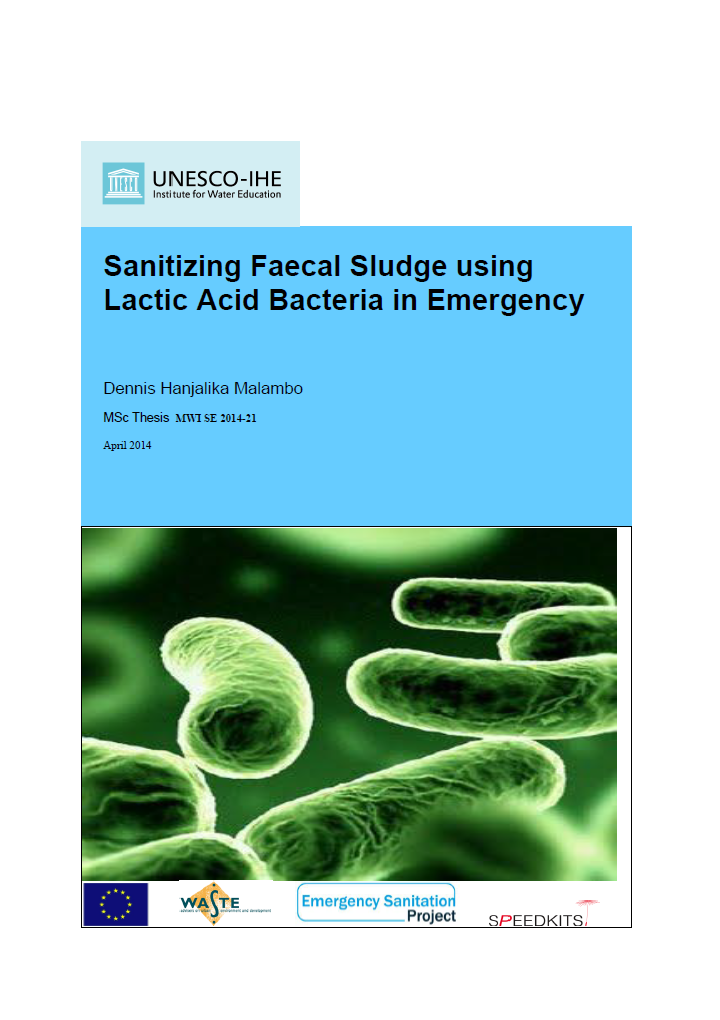
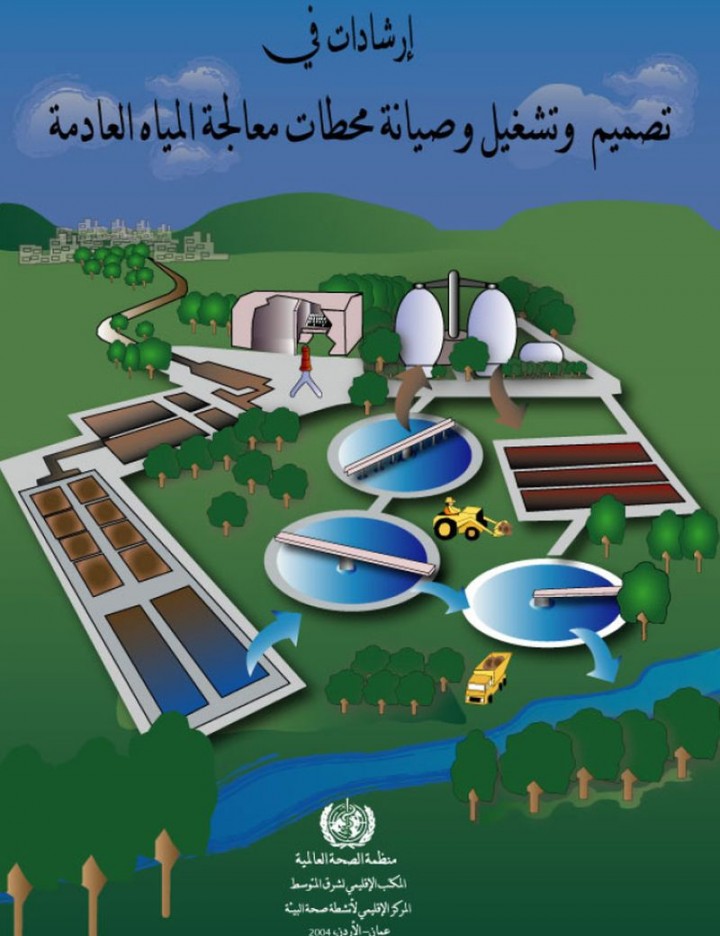
Providing safe excreta collection and disposal in emergency situations has remained one of the most urgent priorities in the disaster relief effort. This is because of the high risk to human health that exposed and unsanitized human excreta pose. With an increase in the frequency and intensity of natural disasters in recent years, humanitarian aid and related organisations worldwide are currently …
2672 Views
39 Downloads
This report is the product of a five-month Centre Internship at the International Development Research Centre - Cities Feeding People Programme Initiative (CFP) during the summer of 1999. The report was commissioned to provide CFP team members an overview of emergent trends in environmentally sound and economically viable approaches to wastewater management. The subject of the report relates to …
2889 Views
39 Downloads
Market based programming is increasingly heralded as having a critical place in the future of humanitarian programming. The proposed benefits of working through existing market systems include improvements to speed, efficiency and effectiveness of programming and increased beneficiary dignity and choice. Advocates for market based approaches claim that, where feasible, they promote economic …
2433 Views
39 Downloads
Women and girls are especially affected by inadequate sanitation because of gender related differences - cultural and social factors - but also because of sex-related differences - physiological factors. Gender refers to the social differences and relations between men and women which are learned and often constructed and which differ in various societies and can change over time.
There are …
4086 Views
39 Downloads
Stunting affects one-third of children under 5 years old in developing countries, and 14% of childhood deaths are attributable to it. A large number of risk factors for stunting have been identified in epidemiological studies. However, the relative contribution of these risk factors to stunting has not been examined across countries. We estimated the number of stunting cases among children aged …

1602 Views
38 Downloads
The Global Steering Committee (GSC) is delegated by members to govern SuSanA 2.0 on their behalf during the periods between triennial election (every three years). As such, it is the principal decision-making body and governance vehicle during this period. It is responsible and accountable to members, primarily through the Annual Assembly, for ensuring sound strategic and financial functioning of …
1484 Views
38 Downloads
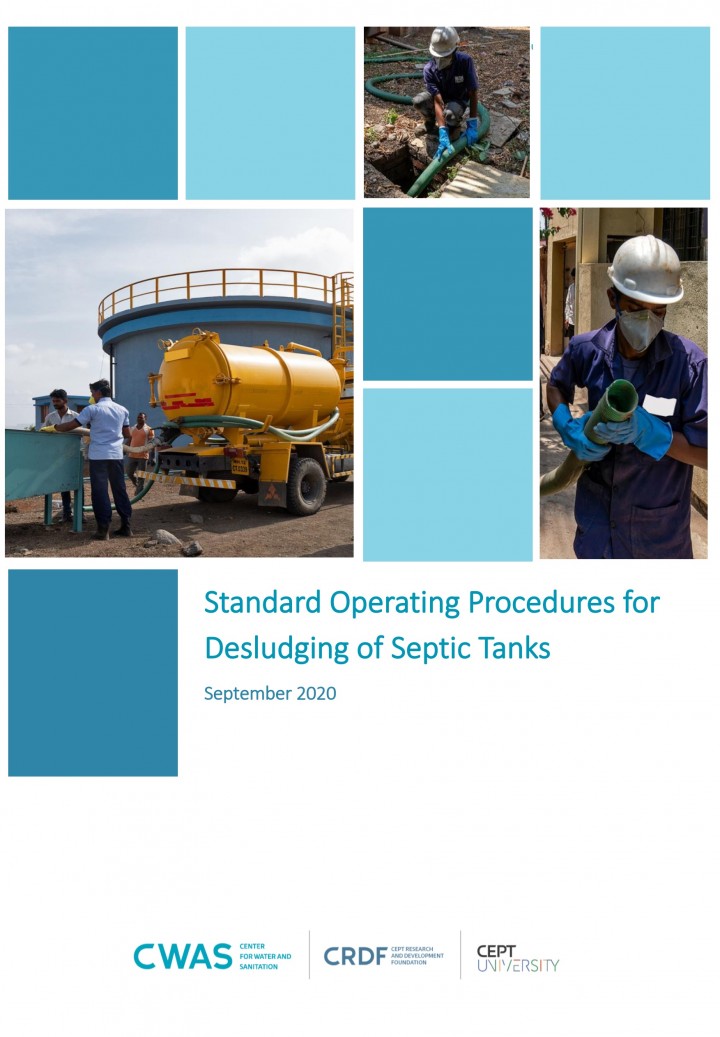
It is known that eradicating open defecation is only half the battle. For improving sanitation, faecal sludge and wastewater also needs to be safely managed. It is in this context that Government of India, Ministry of Housing and Urban Affairs (MoHUA) issued a National Faecal Sludge and Septage Management (FSSM) Policy3 . It recommends regular desludging of septic tanks through a systematic …
1560 Views
38 Downloads
Improvements to sanitation and hygiene are known to reduce the transmission of the poliovirus. This field note reports the experience of implementing Afghan Context Community Led Total Sanitation (AC-CLTS) in an urban context within an integrated polio eradication project targeted to high-risk polio districts. The Ministry of Public Health, provincial Department of Public Health and UNICEF …
1249 Views
38 Downloads
Section 1: Introduction
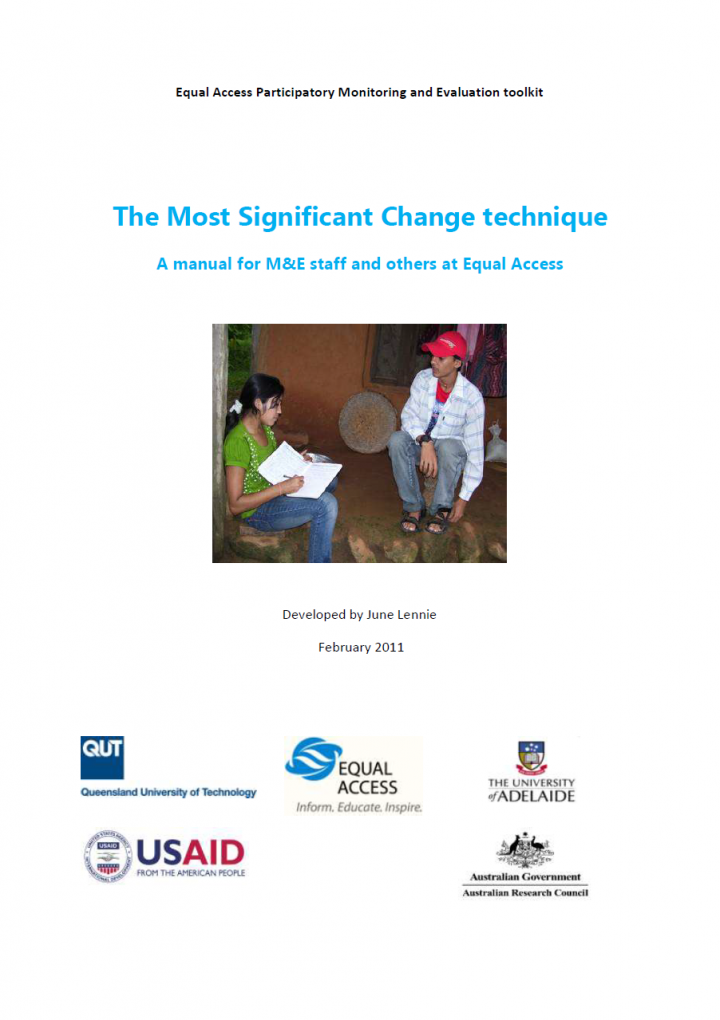
The Most Significant Change (MSC) technique is a tool for collecting, discussing and selecting stories about the significant changes that people experience as a result of your programs. It involves people at different levels of an organisation discussing the stories and then selecting the stories they consider most significant. This process aims to promote ongoing …


