
Sanitation Library
Total results: 4466
Searching for information on Sanitation Workers?
The Sanitation Workers Knowledge + Learning Hub is the best source for all current news, trends, articles and updates on sanitation workers rights around the world.

665 Views
33 Downloads
Bheriganga Municipality is in Surkhet District, Karnali Province of Nepal. It has a total of 13 wards and covers an area of 256.2 km2. It was established on 2 December 2014.
According to national population and housing census 2021, the municipality has a total population of 48,203 and 11,539 households. The total male and female populations are 22,538 and 25,665 respectively. The population …
965 Views
33 Downloads
Ilam Municipality is in Ilam district, Koshi province of Nepal. The municipality was established in 1958; one of the oldest municipalities in Nepal. It has 12 wards and covers the area of 173.32 sq km. It is surrounded by Maijogmai rural Municipality and Suryodaya Municipality in the east, Sandakpur Municipality and Panchthar Distict in the north, Deumai Municipality in the west, and Mai and …
1212 Views
33 Downloads
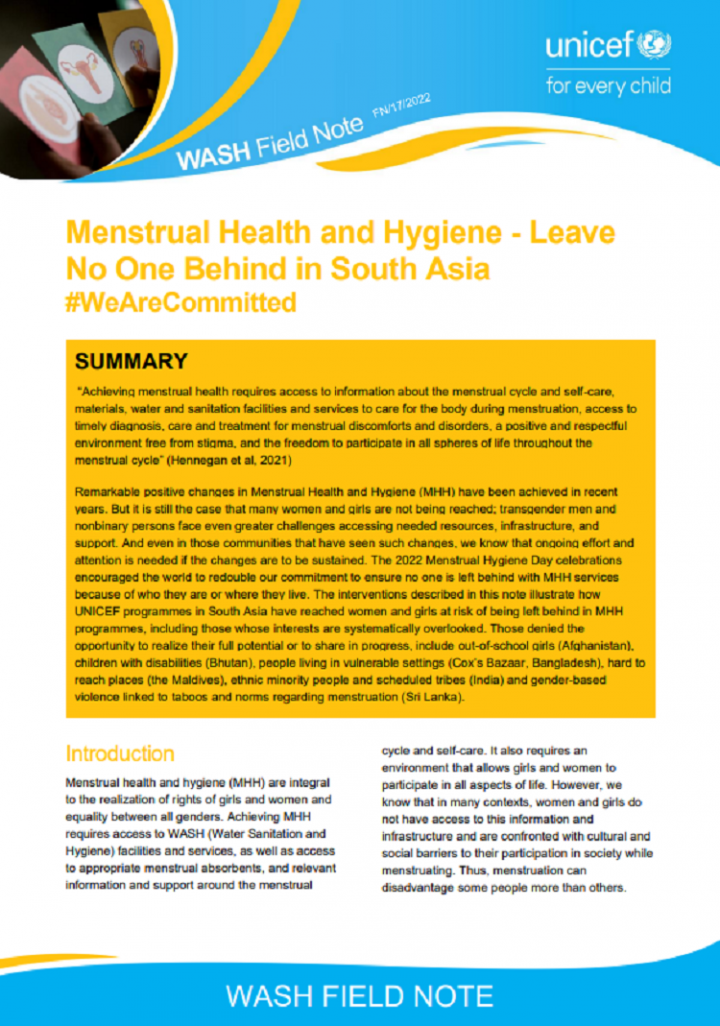
“Achieving menstrual health requires access to information about the menstrual cycle and self-care, materials, water and sanitation facilities and services to care for the body during menstruation, access to timely diagnosis, care and treatment for menstrual discomforts and disorders, a positive and respectful environment free from stigma, and the freedom to participate in all spheres of life …

1378 Views
33 Downloads
This guidance note provides an overview of key protection, gender and inclusion (PGI) issues and practicalities to consider when assessing, designing, implementing and monitoring both long-term and humanitarian WASH programmes. It supports the practical application of the IFRC Minimum Standards for Protection, Gender and Inclusion in Emergencies by providing guidance to promote people’s …
1298 Views
33 Downloads
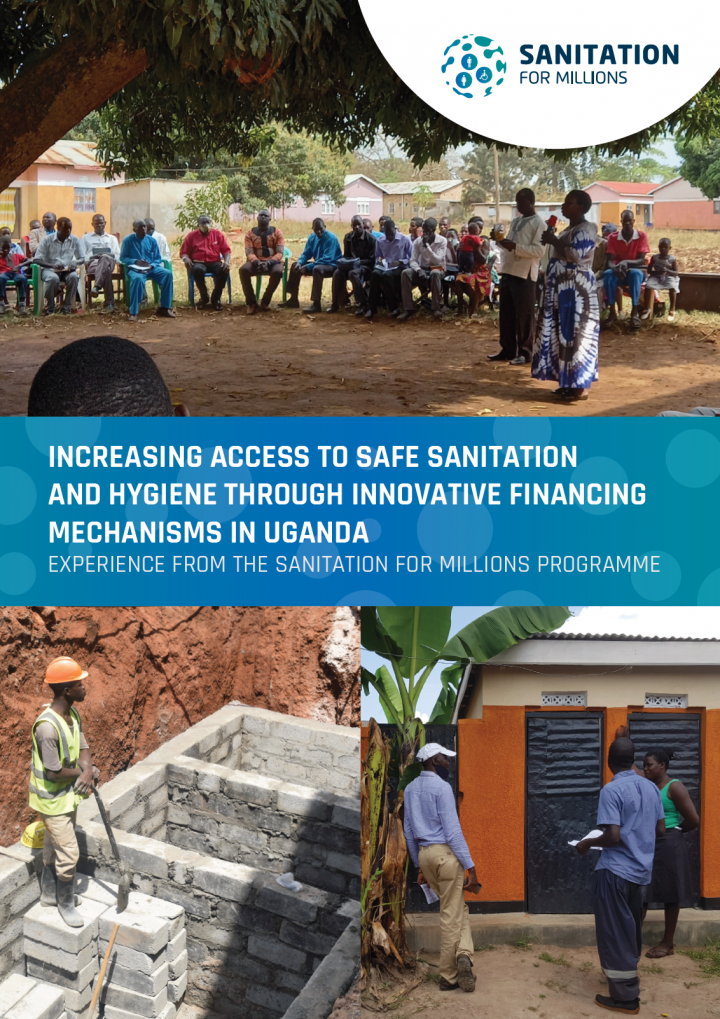
Globally, 4.2 billion people do not have access to safe sanitation services, and approximately 3 billion lack basic handwashing facilities. Even in 2021, almost 700 million people still practise open defecation and nearly 400 million children attend schools with no sanitation facilities at all.
The large financing gap has been identified as one of the greatest barriers to achieving the water, …
1318 Views
33 Downloads
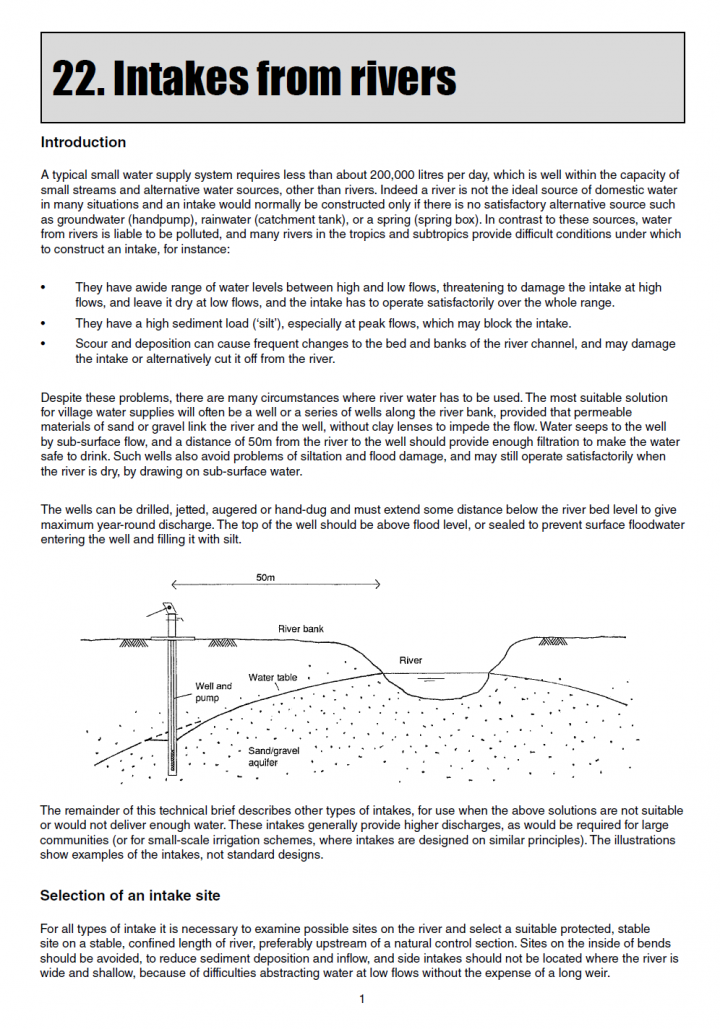
A typical small water supply system requires less than about 200,000 litres per day, which is well within the capacity of small streams and alternative water sources, other than rivers. Indeed a river is not the ideal source of domestic water in many situations and an intake would normally be constructed only if there is no satisfactory alternative source such as groundwater (handpump), rainwater …
1003 Views
33 Downloads
Leading businesses are engaged in efforts to reimagine sanitation systems as a net contributor of resources and data while addressing critical human rights. More importantly these leaders are driving their companies to go beyond risk and compliance to bring transformative positive change to millions of people affected by their business operations.
Global companies employ several millions of …
2029 Views
33 Downloads
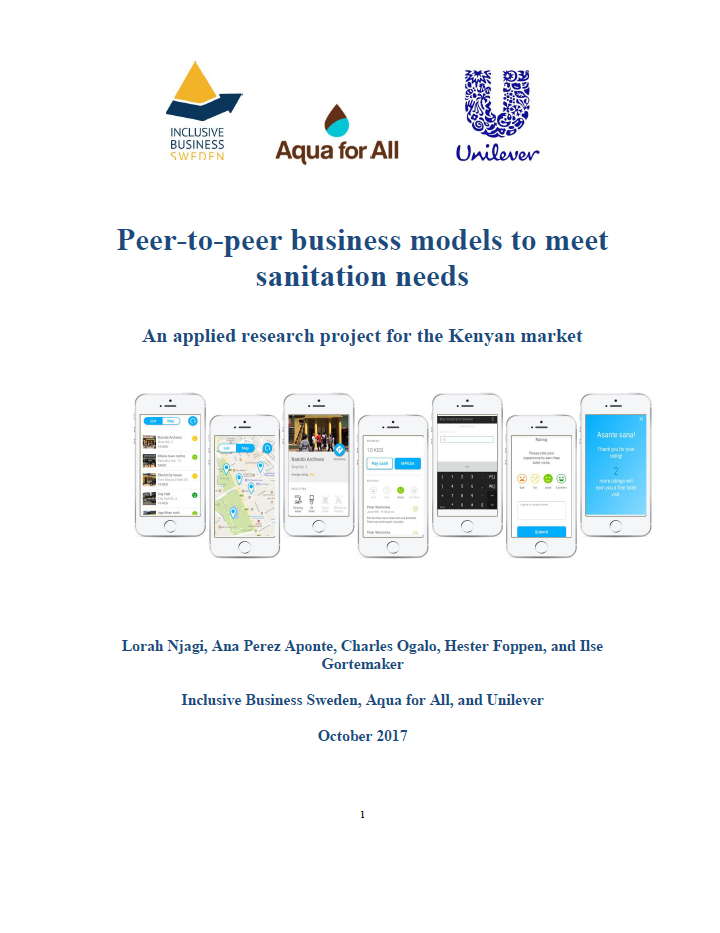
Uber, the world’s largest taxi company, owns no vehicles. Airbnb, the world’s largest accommodation provider, owns no real estate. Peer-to-peer (P2P) business models such as these have achieved scale globally, and relatively quickly. These P2P business models provide an organised way for us to collectively share certain resources. Could similar solutions reduce the barriers to sharing of the …
2201 Views
33 Downloads
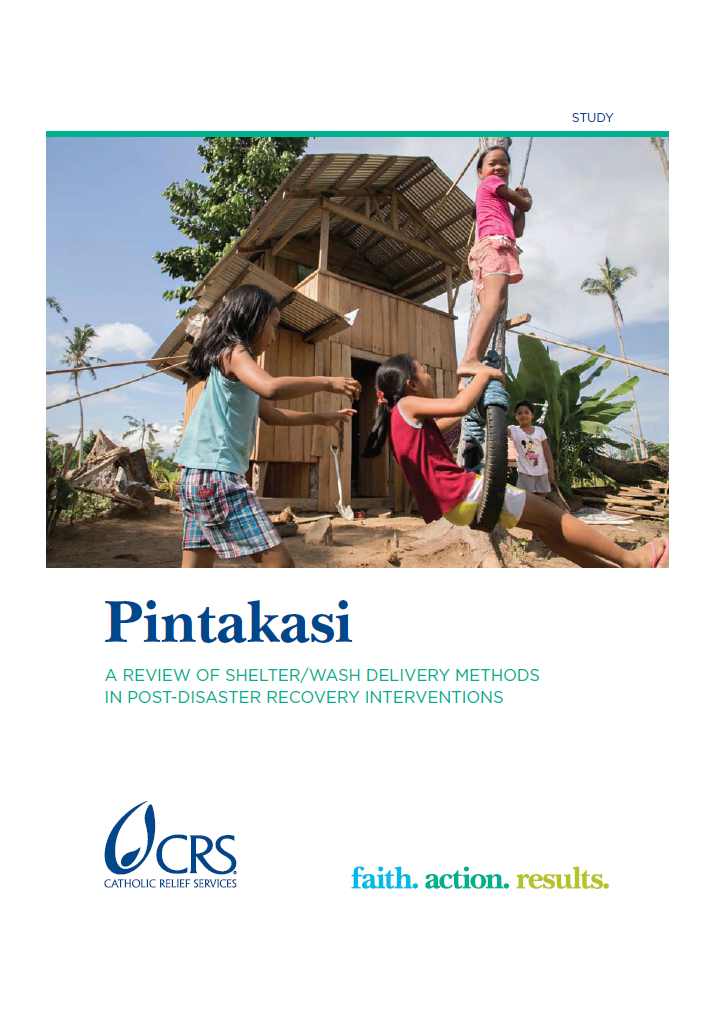
Catholic Relief Services conducted an in‑depth study to assess the efficiency, effectiveness and appropriateness of the modalities for delivering shelter and WASH assistance in its Typhoon Haiyan Recovery Program. This study, Pintakasi, hopes to contribute valuable lessons learned and share best practices from the program with the shelter/WASH recovery communities of practice in the …
1741 Views
33 Downloads
New national goals in wastewater treatment in the United States of America place strong emphasis on the use of natural systems and improved biological processes. These goals encourage sewage reuse through agriculture, forestry, and aquaculture (Duffer 1982). However, the cultivation of fish in wastewater has been of interest in the United States for only a short time: from a practical point of …
2838 Views
33 Downloads
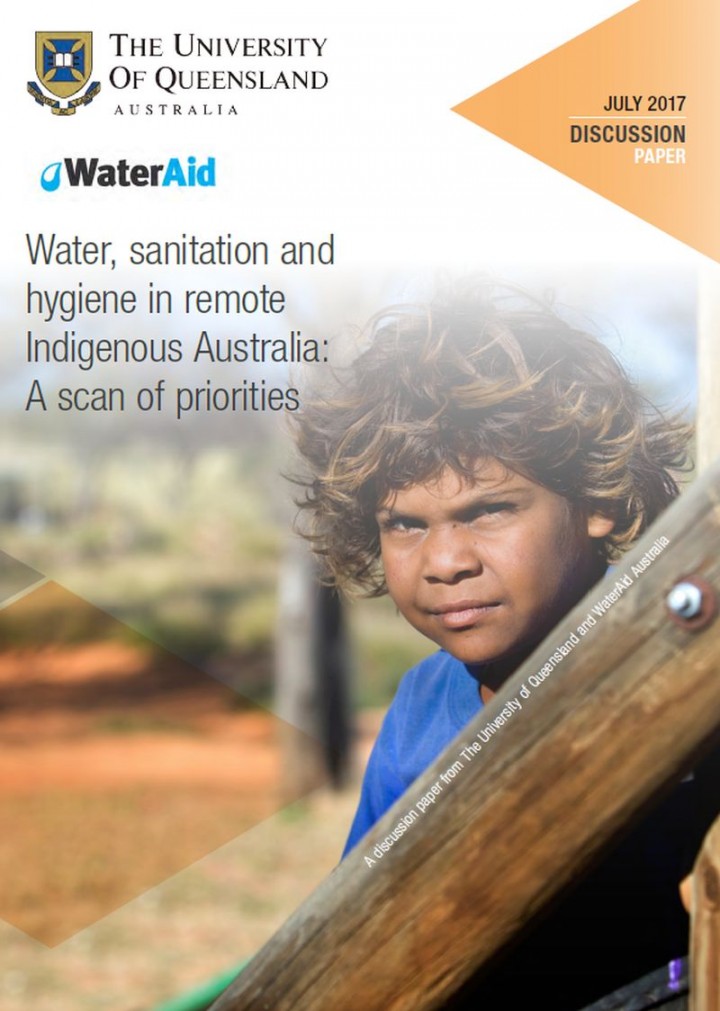
This discussion paper presents a scan of the current status of water, sanitation, and hygiene services and challenges in remote Australian Indigenous communities. It was conducted to make explicit the challenges requiring attention and to propose questions to stimulate discussion as to how various stakeholders can respond to these challenges. it was guided by examples of initiatives that have …


