
Sanitation Library
Total results: 4466
Searching for information on Sanitation Workers?
The Sanitation Workers Knowledge + Learning Hub is the best source for all current news, trends, articles and updates on sanitation workers rights around the world.
1260 Views
56 Downloads
Chingola is one of the major copper mining towns in Zambia. It is in Chingola District in the Copperbelt Province. In 2016, the Central Statistics Office (CSO) projected Chingola’s total population to be approximately at 266,478 with an estimated growth rate of 2.5% and in 2021 the Ministry of Health (MoH) projected the population to be around 300,108.
Roughly equal proportions of the …
1597 Views
56 Downloads
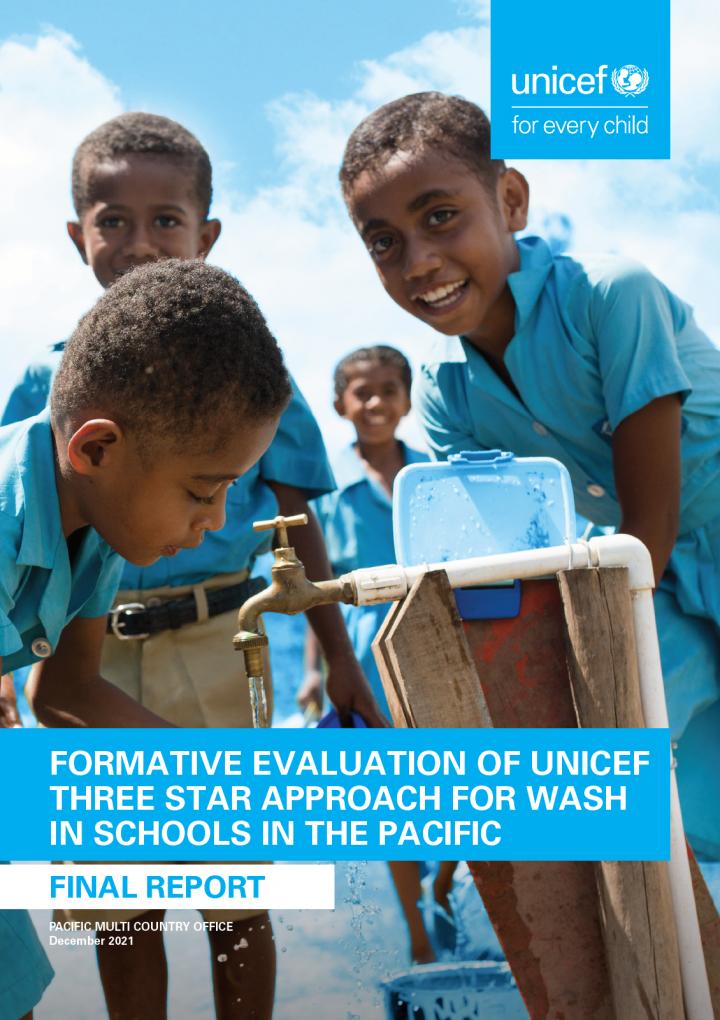
The WASH in Schools (WinS) Three Star Approach (TSA) has been adopted in Fiji (from a pilot in 2015 but now is at scale), Kiribati (atoll island first implementation from 2015 to 2018), Solomon Islands (since 2016), in Vanuatu (since 2017) and 2018 introduction in the Federated States of Micronesia (FSM). The evaluation aims to understand whether WinS TSA is achieving the intended results and how …
3581 Views
56 Downloads
Every day, millions of women and girls have to manage their menstruation, an entirely natural physiological process, yet one that often remains considered too ‘private’ to discuss, let alone manage confidently. Menstrual stigma remains entrenched in societies the world over, but the lack of adequate hygiene facilities and safe menstrual products is particularly acute in many developing …
1362 Views
56 Downloads
Boreholes are one of the best means of obtaining clean water in field conditions. However, constructing, or repairing, boreholes requires specialized knowledge and technical expertise, much of which can be gained from the standard literature; but field operations in remote areas or in difficult conditions often require flexibility and imagination in avoiding and solving technical problems. This …
1674 Views
56 Downloads
‘Leave no one behind’ is at the core of the Sustainable Development Goals (SDGs). Leave no one behind means for Sanitation for Millions that everyone, in any inhabited place, has access to a safely managed sanitation facilities and/or safe (hand-) hygiene, and thus can fulfil his/her WASH needs adequately and with dignity. Yet, as per WHO and UNICEF still more than 4.2 billion people suffer …
2012 Views
56 Downloads
Jamalpur is also known as the Rail City of Bihar. It was established during the British rule for manufacture and repair of wagons, coaches, cranes. The city is located at a distance of 170 km east of Patna and 470 km North West of Kolkata. It is well connected with the rest of the country through rail and road networks.
The average annual rainfall of the district is 1231 mm and about 80% of the …
3055 Views
56 Downloads
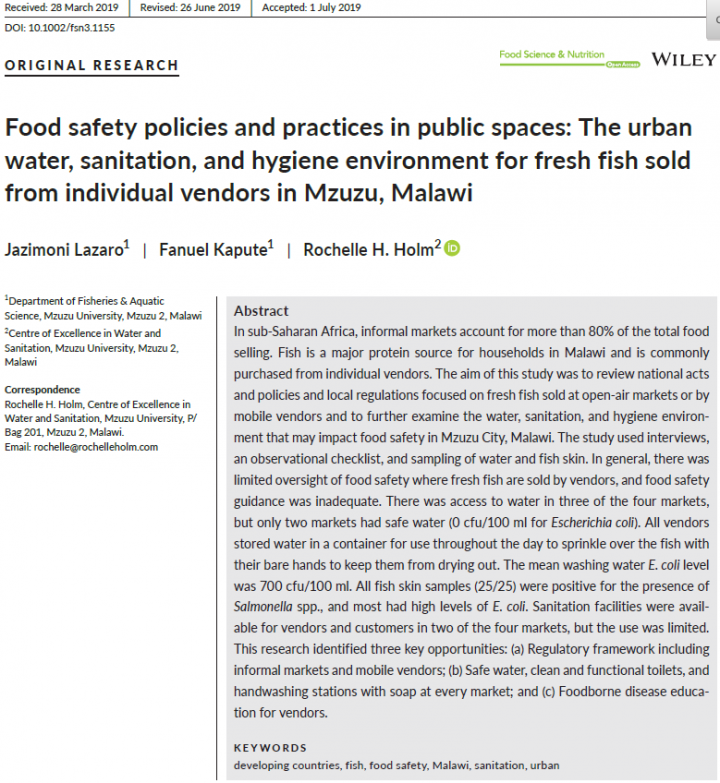
In sub‐Saharan Africa, informal markets account for more than 80% of the total food selling. Fish is a major protein source for households in Malawi and is commonly purchased from individual vendors. The aim of this study was to review national acts and policies and local regulations focused on fresh fish sold at open‐air markets or by mobile vendors and to further examine the water, …
2003 Views
56 Downloads
The WHO WASH Strategy has been developed in response to Member State Resolution WHA64.4 and the 2030 Agenda for Sustainable Development and its Sustainable Development Goals (SDGs). It also takes on board the need for progressive realization of the human rights to safe drinking-water and sanitation, adopted by the UN General Assembly in July 2010. The 2025 end date of the Strategy is proposed to …
2643 Views
56 Downloads
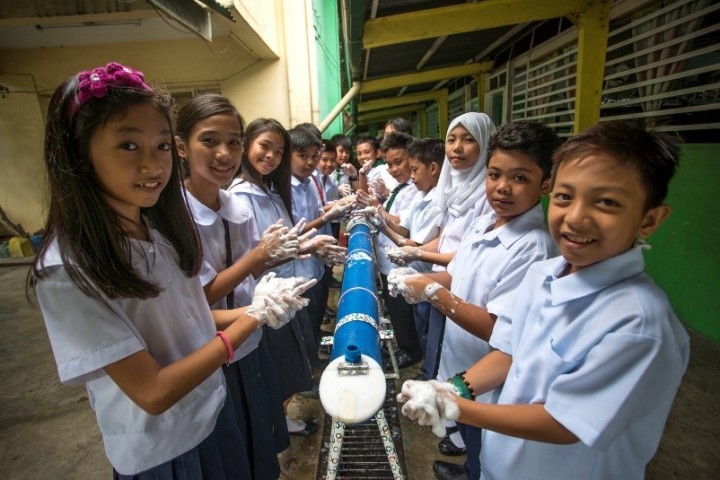
The WASHaLOT 3.0 is a prefabricated handwashing facility that accommodate washing activities of 20 persons at a time. It is currently being used in public schools in the Philippines to address the need for schools to facilitate handwashing prior to eating and thereby establish daily hygiene practice in schools. The facility has the potential to be used in other contexts such as day care centers, …
4480 Views
56 Downloads
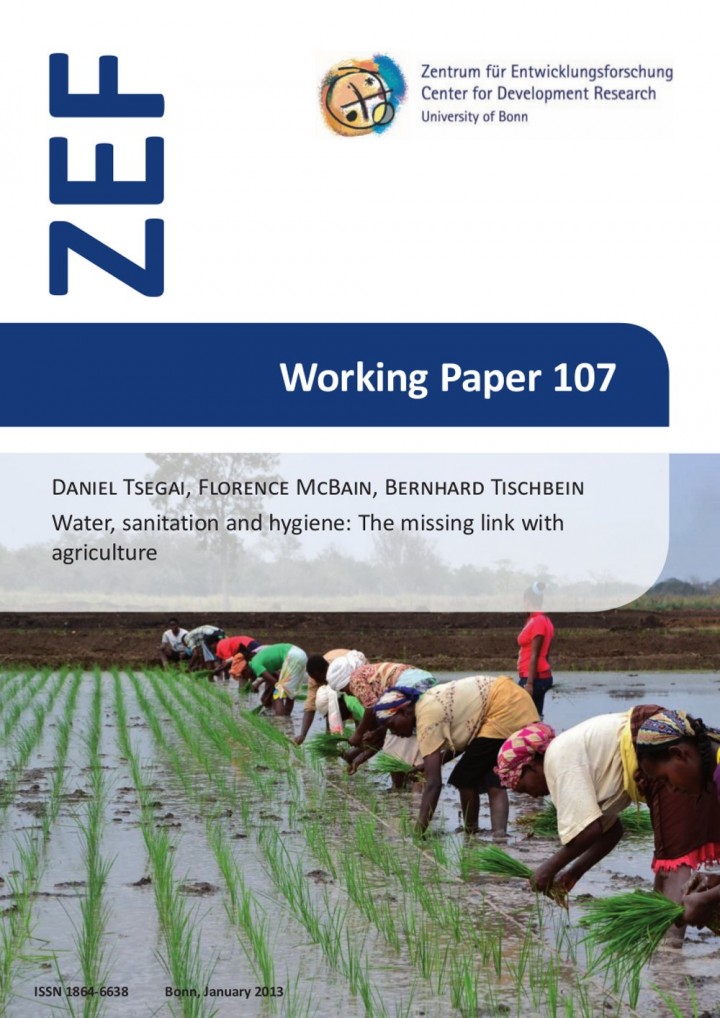
6560 Views
56 Downloads
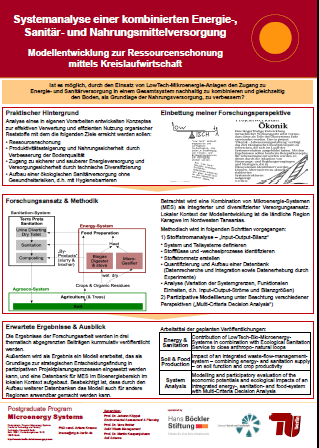
This library entry contains background documents for a grant which is funded by the Bill and Melinda Gates Foundation (further information is also available on the SuSanA discussion forum, see link below).
Primary contacts at lead organization:
Prof. Joachim von Braun
Dr. Nicolas Gerber
Dr. Samantha Antonini
The purpose of the project is to improve the health and nutrition status of …
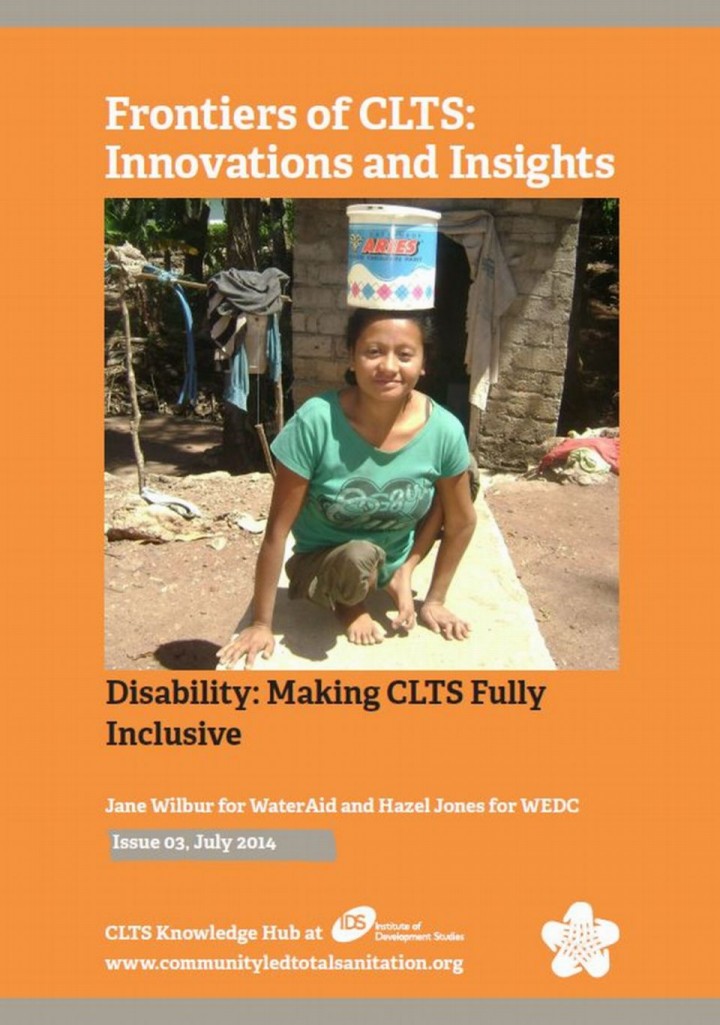
1412 Views
55 Downloads
Dehradun Nagar Nigam area1 is 100 km2. and has 100 wards with a population of 804,3792 (as of 2018). There are 167,577 households (HHs) (after municipal boundary expansion in 2018) within municipal boundary; this suggests the average household size in the city to be 5.
The output of the SFD graphic represents that 46% of the human excreta flow is attributed to be safely managed and the …
1607 Views
55 Downloads
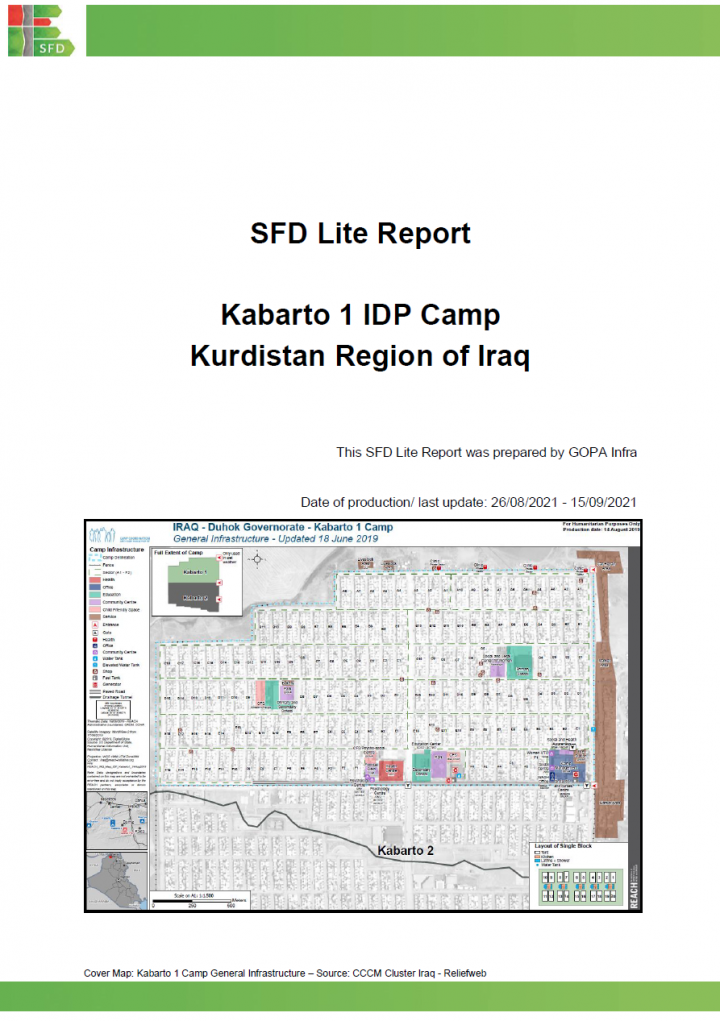
Kabarto 1 IDP Camp is situated in the KRI and located in the Sumel District, which is part of the Duhok Governorate administration, and it lies approximately 13km southwest of Duhok.
The population figures are managed by the camp management on behalf of the Directorate of Migration and Crisis Response (DMCR) and, the population present at the time of the key informant interview with the camp …
1625 Views
55 Downloads
Absolutely pure water is rarely, if ever, found in nature. The impurities occur in three progressively finer states - suspended, colloidal and dissolved matter. Different methods of treatment are required for their removal or
reduction to acceptable limits. Coagulation, Flocculation and Clarification, as well as Filtration are
interdependent stages of the solids separationphase of water …
1476 Views
55 Downloads
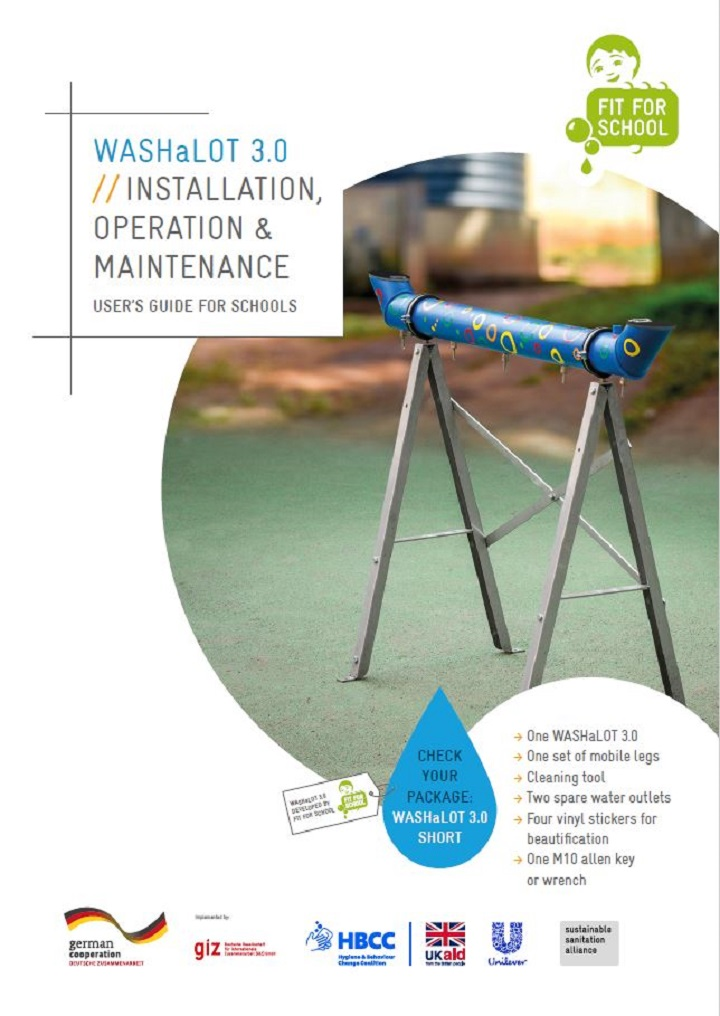
The WASHaLOT 3.0 is a low-cost and water-saving washing facility. For pandemic preparedness and response, the WASHaLOT 3.0 can be easily adjusted so that fewer water outlets are in use to ensure physical distancing.
This user guide is produced to provide receiving schools with orientation on the WASHaLOT installation, guidance on operation & maintenance as well as recommendations for pandemic …
1917 Views
55 Downloads
As part of the capacity building initiatives, a Training Needs Assessment (TNA) of officers in the Urban Local Bodies (ULBs) was conducted. The study was conducted at selected ULBs in the State, with an aim to identify the current capacity of the organisations to implement FSM. The TNA focused on the institutional, administrative, financial and human capacity of the ULBs and assessed the existing …


