Sanitation Library
Total results: 4466
Searching for information on Sanitation Workers?
The Sanitation Workers Knowledge + Learning Hub is the best source for all current news, trends, articles and updates on sanitation workers rights around the world.
3982 Views
49 Downloads
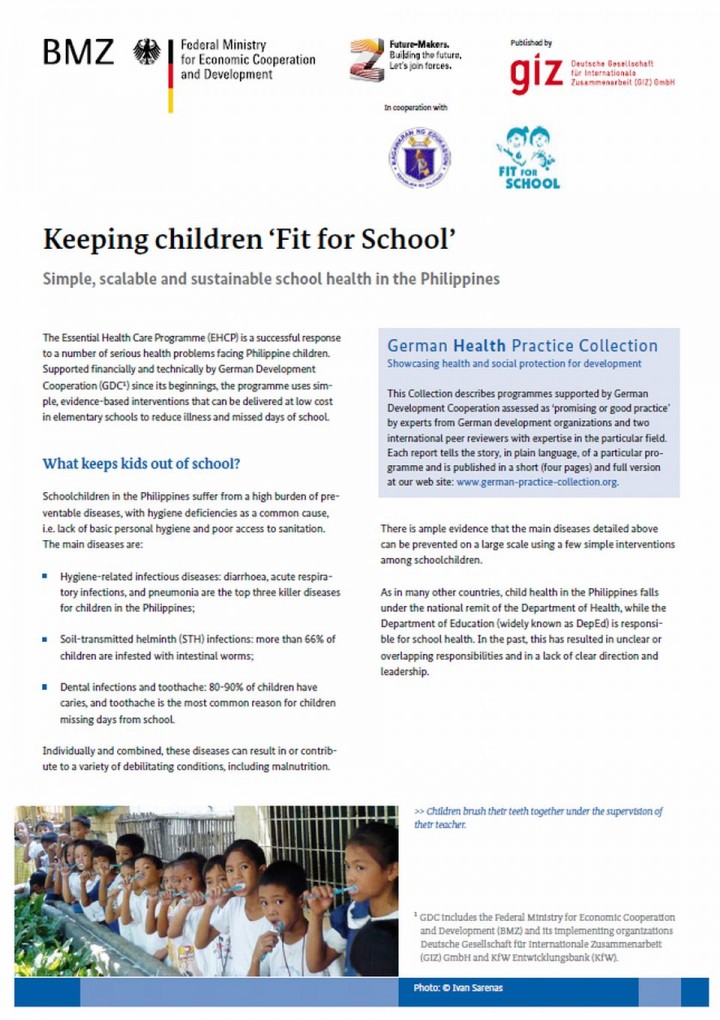
The Essential Health Care Programme (EHCP) is a successful response to a number of serious health problems facing Philippine children. Supported financially and technically by German Development Cooperation (GDC¹) since its beginnings, the programme uses simple, evidence-based interventions that can be delivered at low cost
in elementary schools to reduce illness and missed days of school.
5463 Views
49 Downloads
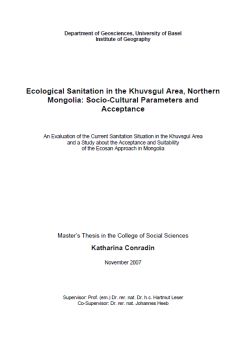
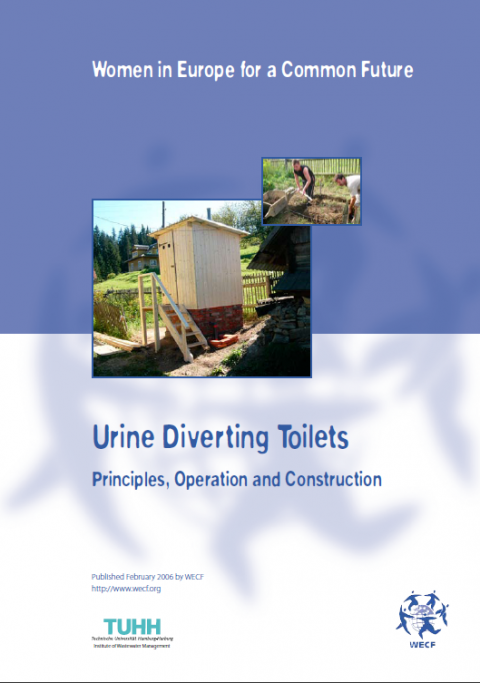
This rapid assessment reviewed sanitation activities by Catholic Relief
Services (CRS) in East Africa, in particular the promotion of the Arborloo
– an innovative latrine designed to help achieve sustainable and scalable
sanitation improvements in rural Ethiopia, South Sudan, Kenya and Uganda. The assessment explored the factors affecting Arborloo acceptance and sustainability, the scope and …
1703 Views
48 Downloads
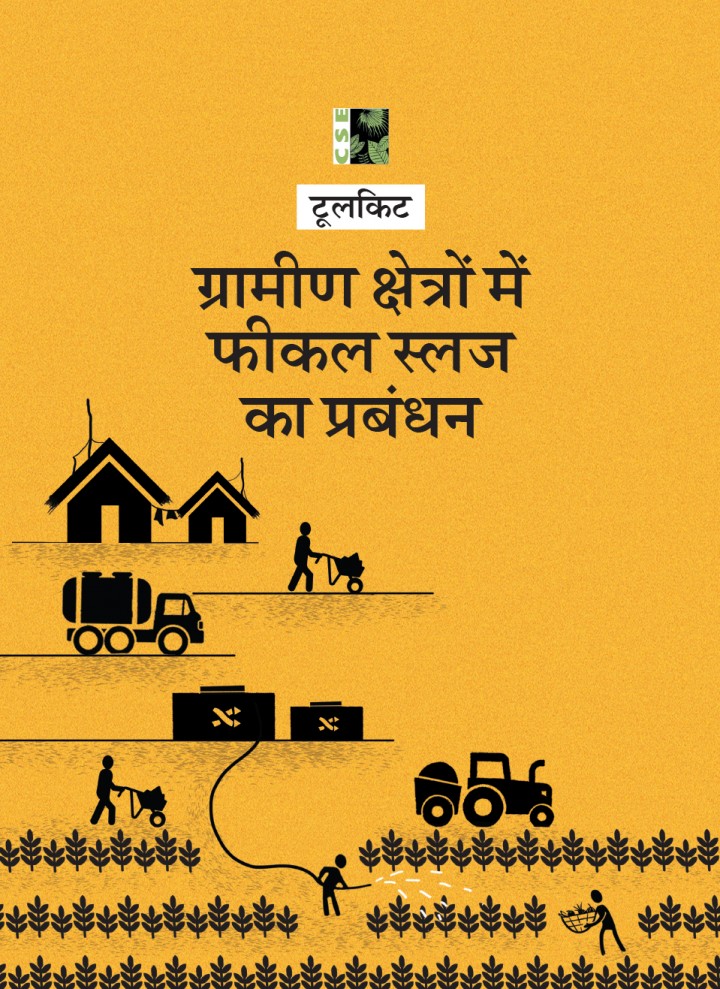
Faecal sludge management is essential to consolidate the gains from Swachh Bharat Mission. This is a toolkit in Hindi for practitioners for FSM in rural India. This toolkit in Hindi is a useful toolkit for managing faecal sludge in rural areas. It fills a gap in know-how and is of use to planners and practitioners to improve the management of faecal sludge in rural areas. It will be useful to …
2210 Views
48 Downloads
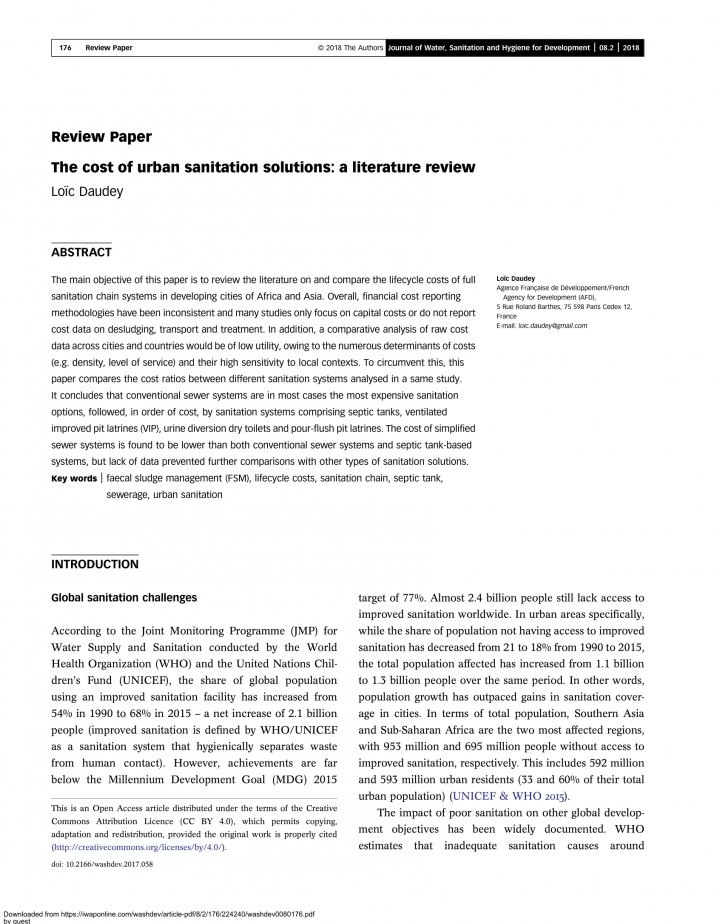
The main objective of this paper is to review the literature on and compare the lifecycle costs of full sanitation chain systems in developing cities of Africa and Asia. Overall, financial cost reporting methodologies have been inconsistent and many studies only focus on capital costs or do not report cost data on desludging, transport and treatment. In addition, a comparative analysis of raw …
2268 Views
48 Downloads
As Menstrual Hygiene (MH) has been continuously gaining visibility and importance, World Vision, WASH United, Simavi, and GIZ organized a five-part webinar series from May to July 2018.
Each webinar aimed to address one of the key aspects of MH management, including evidence (webinar 1), knowledge (webinar 2), menstrual products (webinar 3), infrastructure (webinar 4) and policy (webinar 5) …
1569 Views
48 Downloads
The sub-regional conference formally launched the project (RETA 8060) "Promoting Innovations in Wastewater Management in Asia and the Pacific". The list of delegates was comprised of a mixture of government executives, wastewater industry practitioners and private sector representatives from the following countries: Philippines, Viet Nam, Indonesia, Bangladesh, India, Sri Lanka, Mongolia and …
3329 Views
48 Downloads
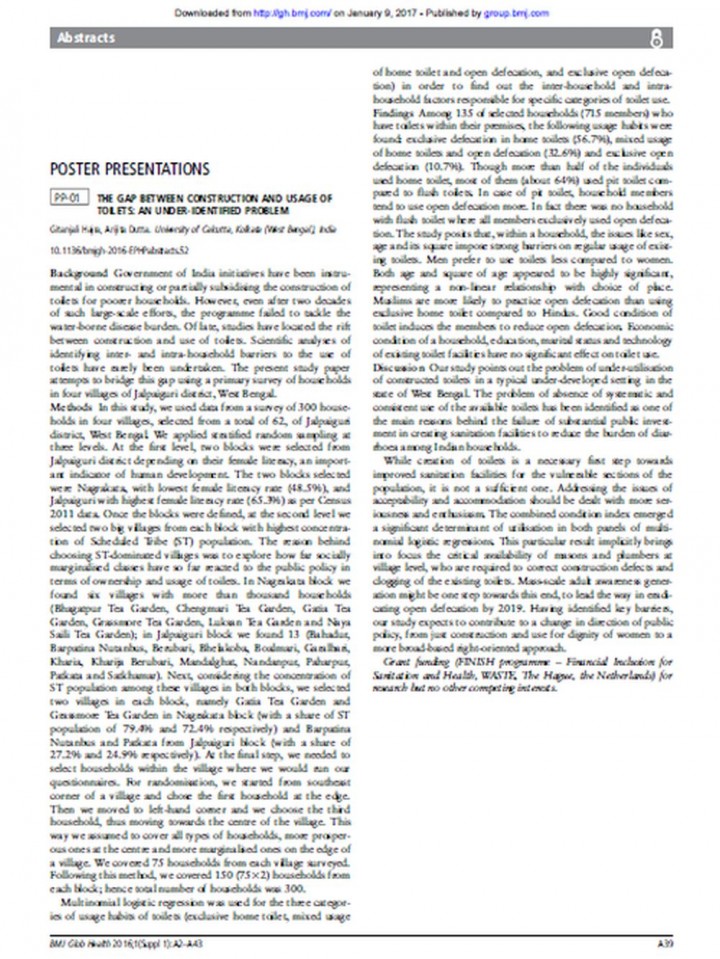
Government of India initiatives have been instrumental in constructing or partially subsidising the construction of
toilets for poorer households. However, even after two decades of such large-scale efforts, the programme failed to tackle the water-borne disease burden. Of late, studies have located the rift between construction and use of toilets. Scientific analyses of identifying inter- and …
2586 Views
48 Downloads
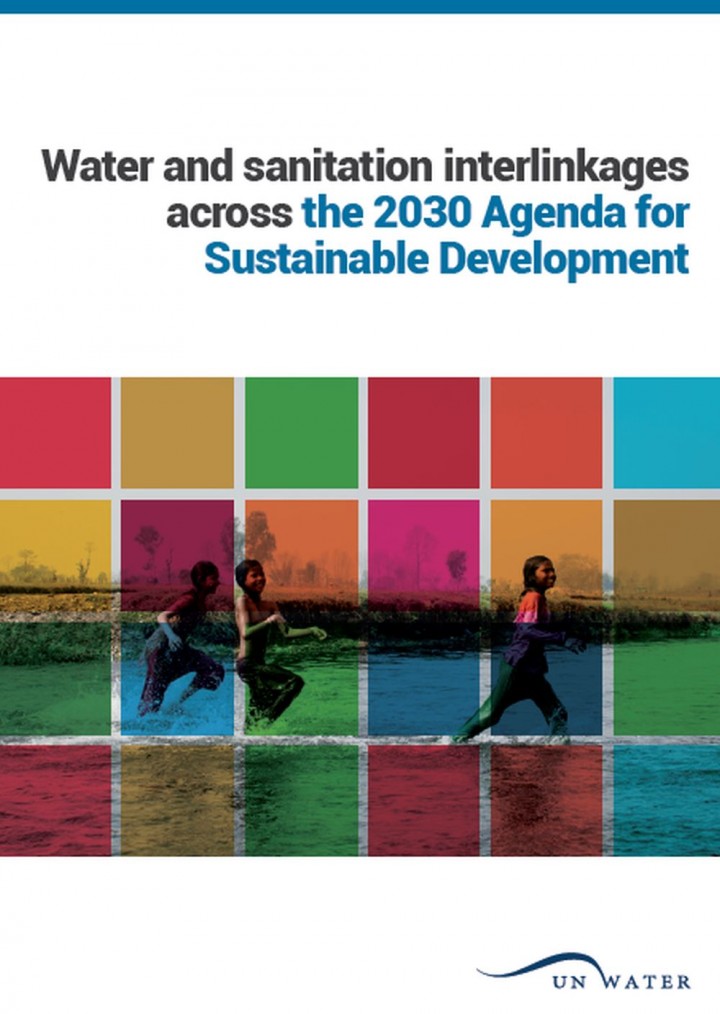
This UN-Water Analytical Brief analyses the central role of water and sanitation to describe the links and interdependencies between the targets of Sustainable Development Goal 6 on water and sanitation and those of other SDGs. It aims to stimulate United Nations Member States’ consideration of the water-related linkages within the SDGs to facilitate an integrated approach to implementation.
2697 Views
48 Downloads
This UN-Water publication presents the Integrated Monitoring of water and sanitation related targets (GEMI), being currently development. This initiative complements the monitoring work on water supply and sanitation which is conducted by the WHO/ UNICEF Joint Monitoring Pro-gramme (JMP) and the UN-Water Global Analysis and Assessment of Sanitation and Drinking-Water (GLAAS). These programs, JMP, …
5171 Views
48 Downloads
With fast growing economy and urban population, the waste generation is steeply increasing in India. Due to paucity of resources, the local bodies, which are responsible for management of wastes, are not able to provide this service effectively. According to Centre Pollution Control Board (CPCB) study, out of 38254 MLD of sewage generated in India, the treatment facilities are available for 30% …
3278 Views
48 Downloads
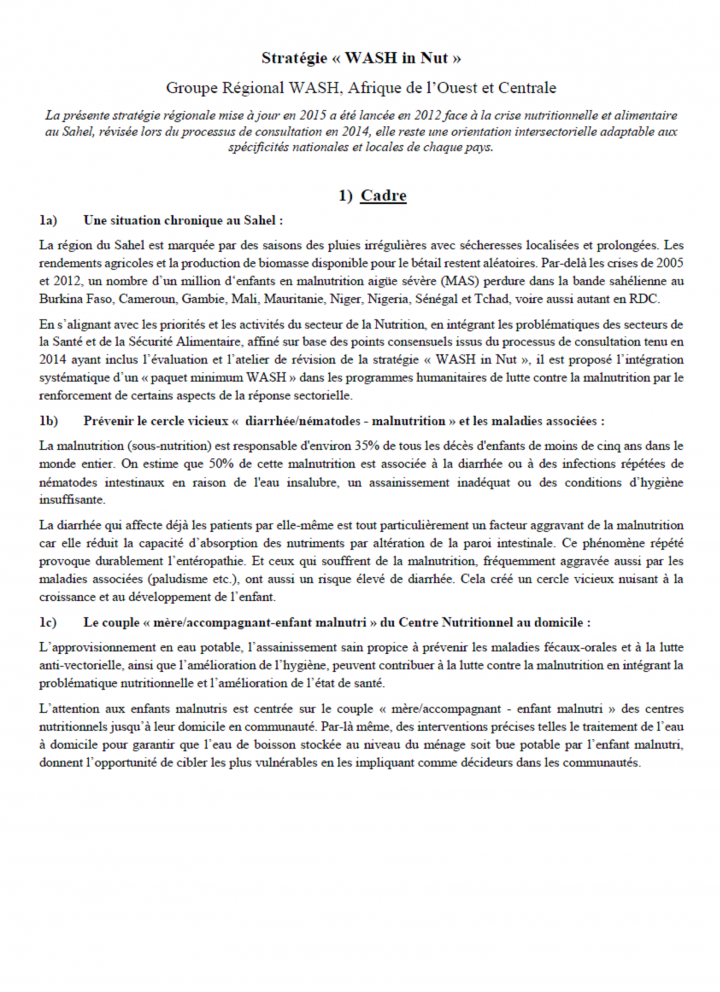
La présente stratégie régionale mise à jour en 2015 a été lancée en 2012 face à la crise nutritionnelle et alimentaire au Sahel, révisée lors du processus de consultation en 2014, elle reste une orientation intersectorielle adaptable aux spécificités nationales et locales de chaque pays.