Sanitation Library
Total results: 4466
Searching for information on Sanitation Workers?
The Sanitation Workers Knowledge + Learning Hub is the best source for all current news, trends, articles and updates on sanitation workers rights around the world.

814 Views
41 Downloads
Salfeet is located in the middle of the West Bank. It is bordered by the Ariel settlement and Marda village to the north, Nablus Governorate to the east, the Green Line (the 1949 Armistice Line) to the west, and Ramallah Governorate to the south. As a region, Salfeet covers a total land area of 27 km2.
The 2021 population is 11,873 inhabitants (PCBS, 2021) with a population growth rate of …
2098 Views
41 Downloads
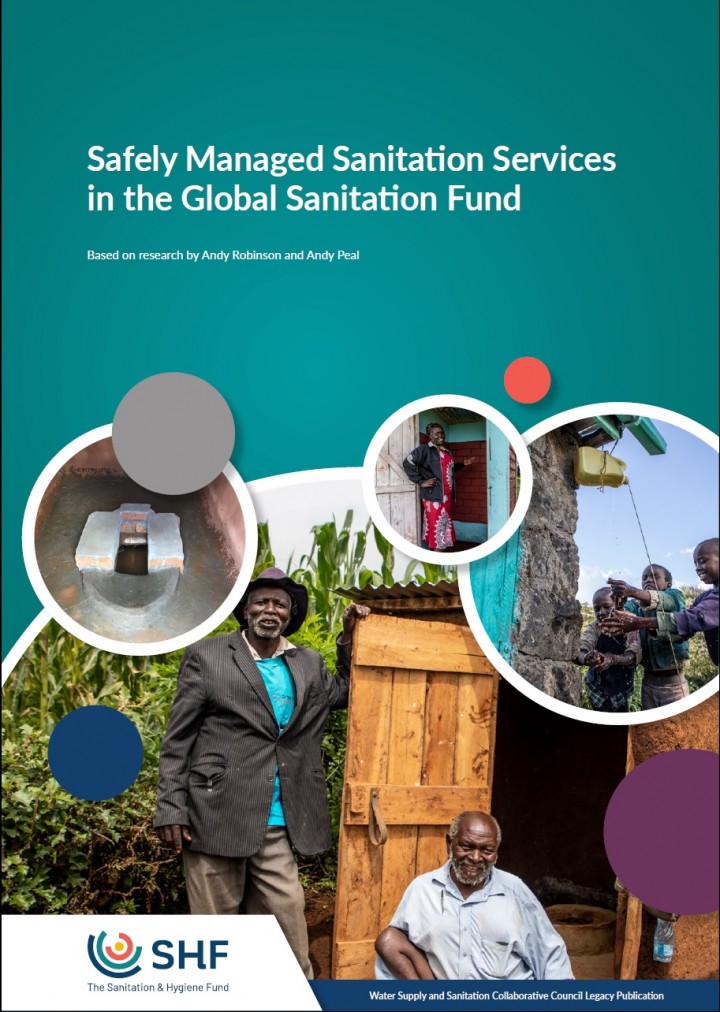
Sustainable Development Goal 6 for water and sanitation calls for the realization of safely managed services (SMSS) for everyone by 2030. While there has been significant research and implementation to improve the sanitation service chain in urban settings, little guidance is available on how to achieve and sustain SMSS in rural contexts. In 2019, WSSCC commissioned this study to examine to what …
1399 Views
41 Downloads
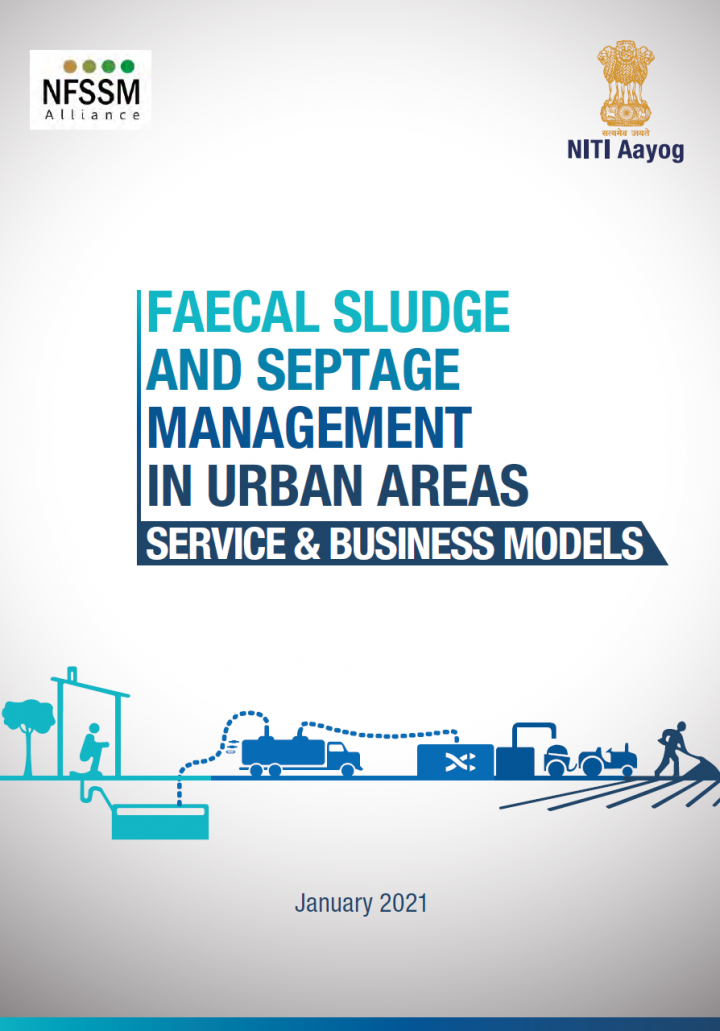
The Faecal Sludge and Septage Management: Service Business Models shares leading practices and innovations to improve how faecal sludge is managed, and how to expand services to the millions of people living in thousands of cities in urban India, lacking access to safely managed sanitation.
2278 Views
41 Downloads
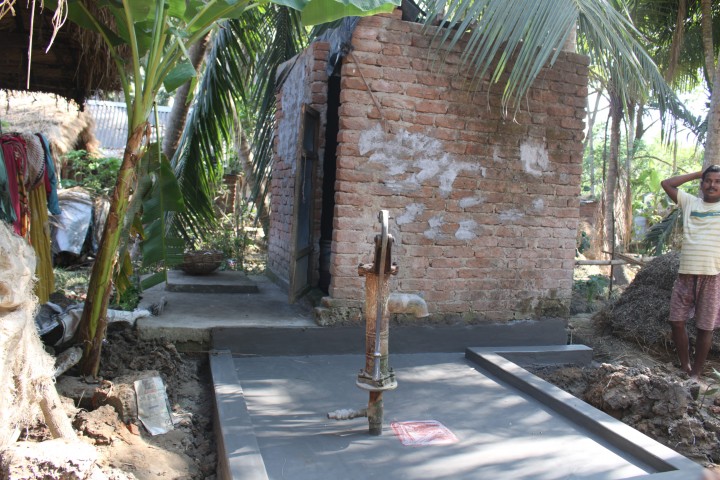
This document draws on SuSanA’s resource base of materials and information contributed by over 10,000 members. Its authors have also conducted secondary research. It represents a consultative process with the experts and other prominent authorities in the sector. At the time of publishing, the document represented the best possible advice based on the data and experience of the group.
2005 Views
41 Downloads
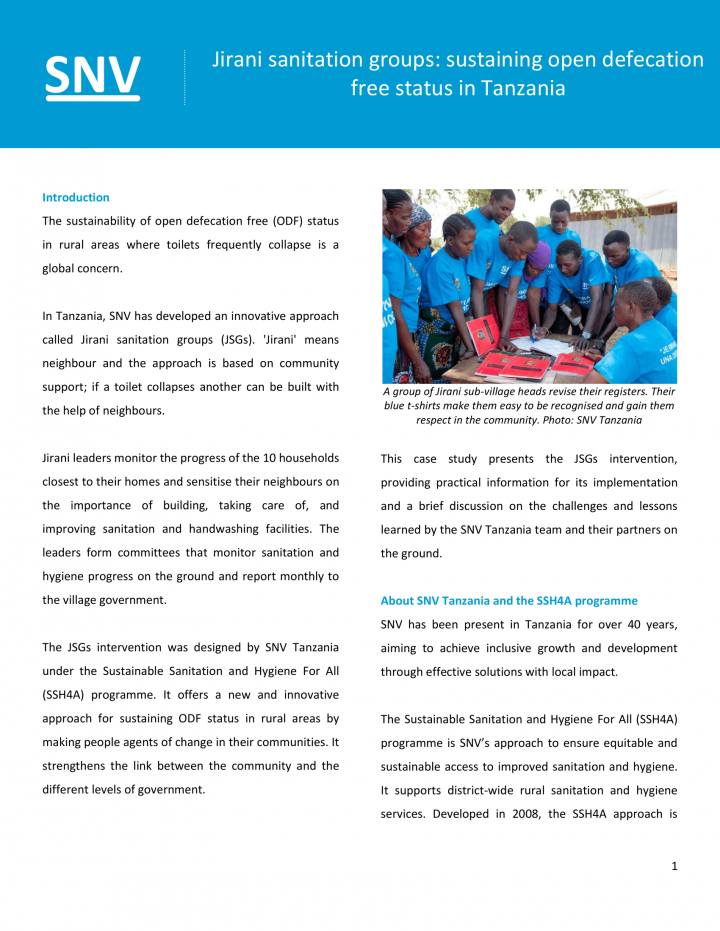
The sustainability of open defecation free (ODF) status in rural areas where toilets frequently collapse is a global concern.
In Tanzania, SNV has developed an innovative approach called Jirani sanitation groups (JSGs). 'Jirani' means neighbour and the approach is based on community support; if a toilet collapses another can be built with the help of neighbours.
This case study presents the …
1365 Views
41 Downloads
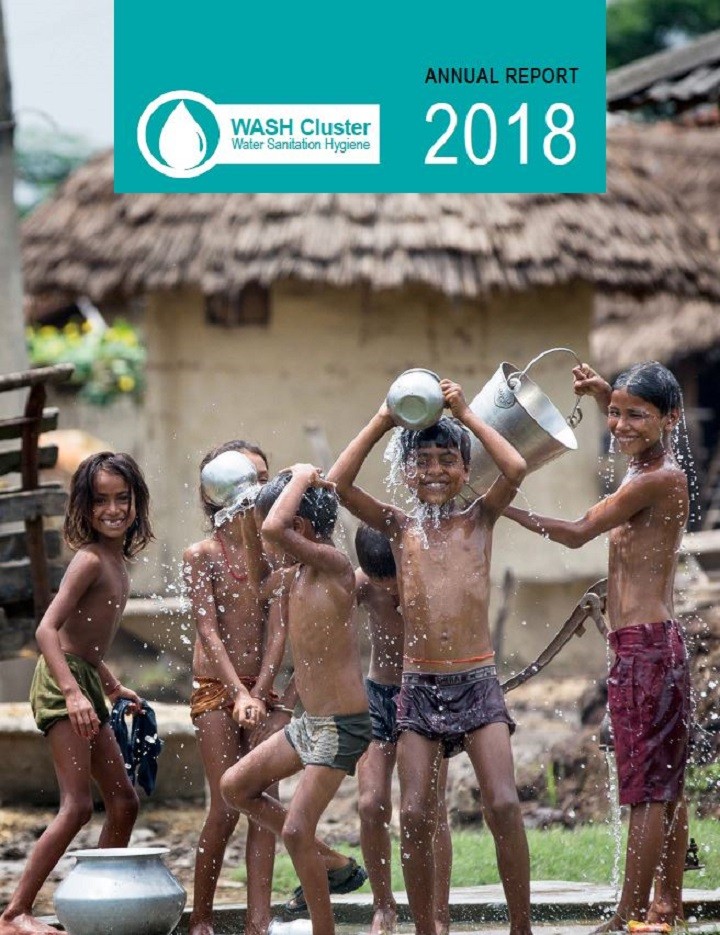
The Global WASH Cluster Annual Report for 2018 summarizes the most salient results achieved over the year, the key challenges faced in implementing the Global WASH Cluster (GWC) Strategic Plan and recommends activities to overcome the challenges. The 2018 Annual Report follows the model established in the 2017 Annual Report. The priority activities are identified and listed in line with the new …
2007 Views
41 Downloads
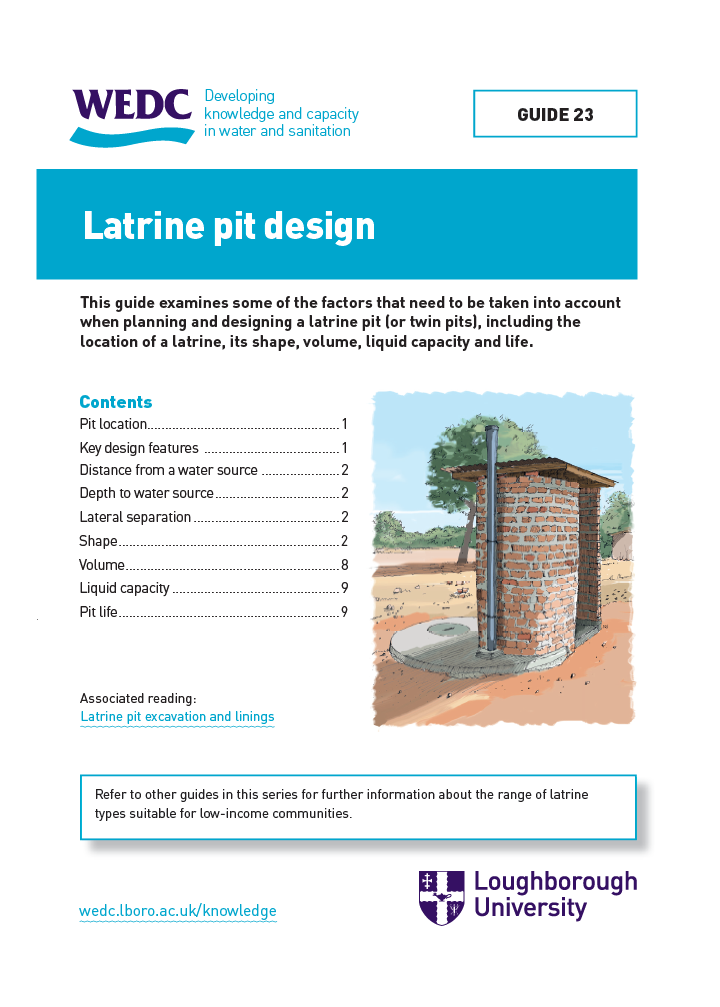
The SuSanA workshop aimed at capacity building for the Water Supply and Sanitation Authorities (WSSA) from seven towns in Tanzania which participate in the program called „Seven Towns Upgrading Program“ financed by the EU water facility and KfW (grant financed). This program is contracted out by the Tanzanian Ministry of Finance and managed by the Ministry of Water and Irrigation. It covers …

2364 Views
41 Downloads
The Institute for Fiscal Studies, in collaboration with WASTE, organized the conference “Beyond Development Aid: Sanitation Financing & Revenue Models in Reuse (human) Waste” in The Hague, Netherlands, the 15th of May 2017.
This conference brought together from different parts of the world; academics, practicioners and policymakers with the aim to generate knowledge regarding sanitation …
3074 Views
41 Downloads
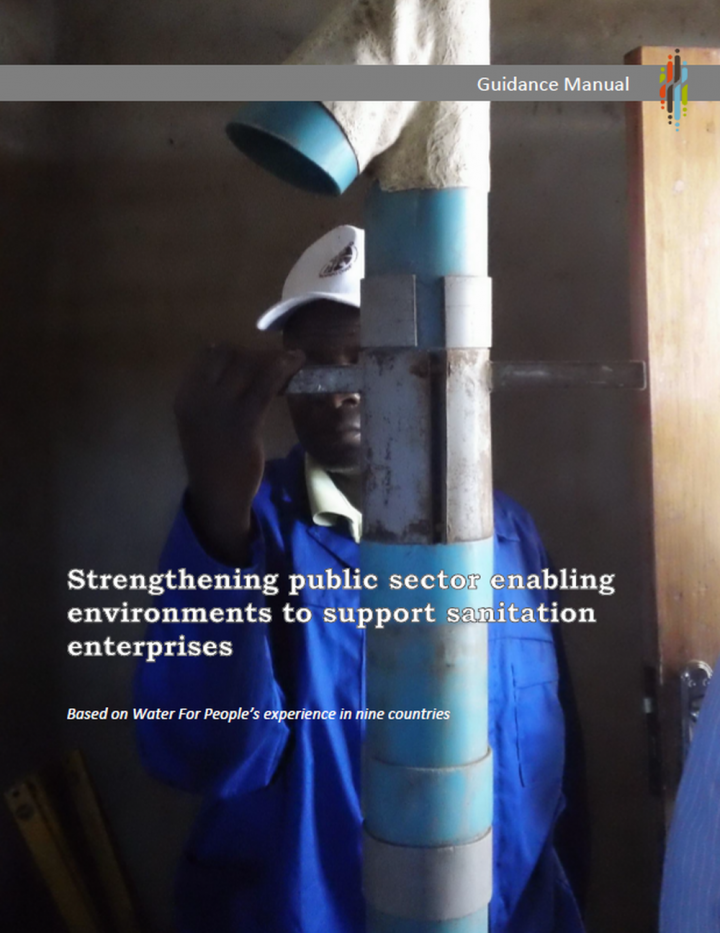
Billions of people lack access to a decent toilet. Attempts to address this gap through direct-subsidy models have often been proven unsustainable as, given resource limitations, they are unable to provide desirable toilets that families are likely to use and maintain over time. Based on private sector success in low-income markets, business-based approaches may be able to help bridge this gap …
3406 Views
41 Downloads
This discussion paper reviews the extensive literature on sanitation to show that inadequate access to this basic service prevents the realization of a range of human rights and of gender equality. We recognize that “dignity” is a highly culture- and gender-specific term; we therefore argue that sanitation for all—sanitation that serves all genders equally—must be designed and planned …
4497 Views
41 Downloads
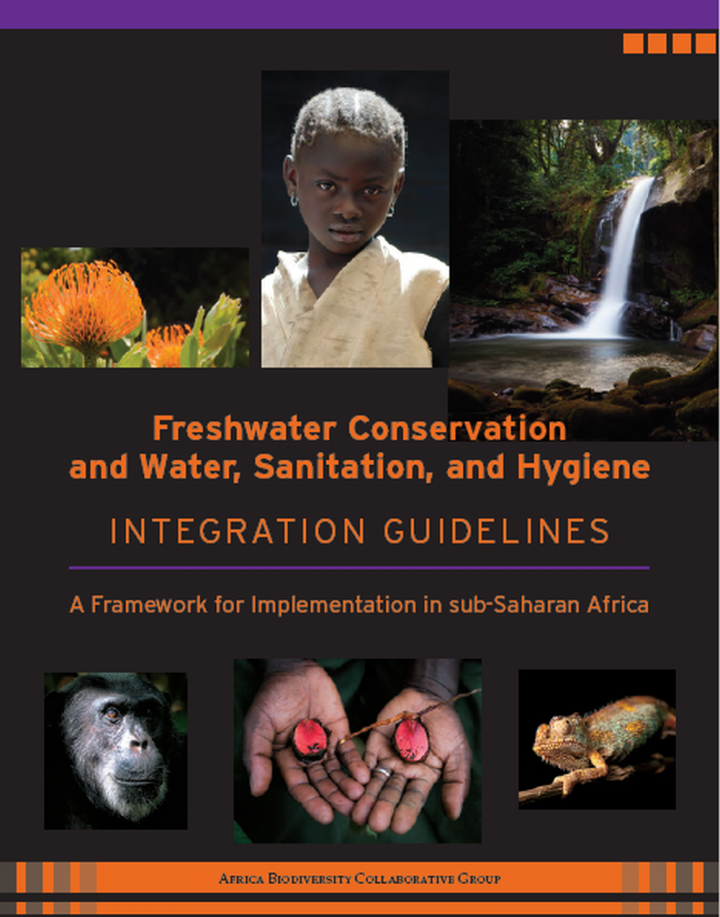
Recognizing the need to better link freshwater conservation and WASH initiatives, the US Agency for International Development Bureau for Africa-supported Africa Biodiversity Collaborative Group (ABCG) and its member organizations produced guidelines for integrated programming in sub-Saharan Africa. The purpose of this document is to provide guidance health, development and conservation …