
Sanitation Library
Total results: 4466
Searching for information on Sanitation Workers?
The Sanitation Workers Knowledge + Learning Hub is the best source for all current news, trends, articles and updates on sanitation workers rights around the world.
654 Views
37 Downloads
Dodoma City Council is located at the south-eastern end of the Tanzania Central Plateau at an elevation of 1,200 metres above sea level with coordinates 6°10′23″S 35°44′31″E. The city council is divided into 41 wards and Mtaas (streets) and covers an area of about to 2,769 sq. km. The 41 wards are grouped into four divisions.
Currently, the population of Dodoma Municipal is …
1035 Views
37 Downloads
Urlabari Municipality was declared as municipality on 8th May 2014. The municipality is located in Morang District, Koshi Province. The municipality is divided into nine political wards. The municipality has total 70,908 population with 33,356 males and 37,552 females (Census 2021, n.d.).
Basic sanitation coverage in the municipality is 100%. All the surveyed households in the municipality …
1010 Views
37 Downloads
Betagi Municipality is situated within the Betagi Sub-District (Upazila) in Barguna District (Zila), which is under Barishal Division. The geographical coordinates of Betagi are between 22º 09.45' and 22º 11.52' N and between 90º 11.55' and 90º 13.12' east longitude . It is bordered on the north by the Upazilas of Bakerganj and Rajapur, on the south by the Upazila of Barguna Sadar, on the …
1051 Views
37 Downloads
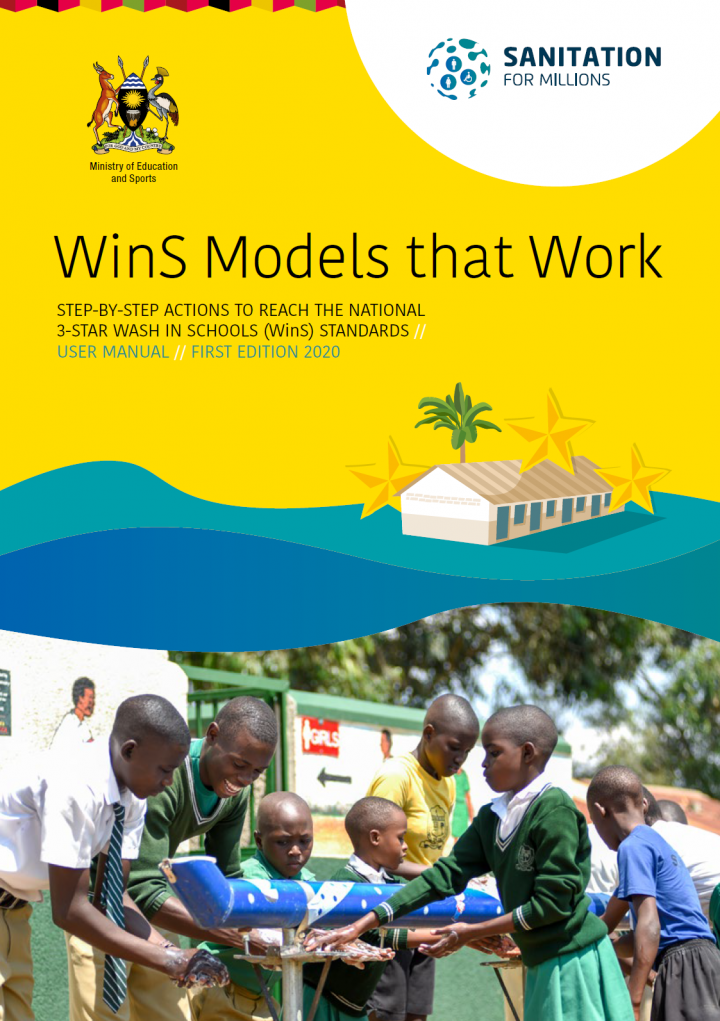
Government reports from 2016 and 2017 identified that Ugandan schools are not meeting the national standards for water, sanitation and hygiene (WASH) in schools (WinS). For this reason, in 2017, the Ministry of Education and Sports adopted the Three Star Approach for WASH in Schools. The Three Star Approach (TSA) was developed by GIZ and UNICEF and has been implemented in countries around the …
2077 Views
37 Downloads
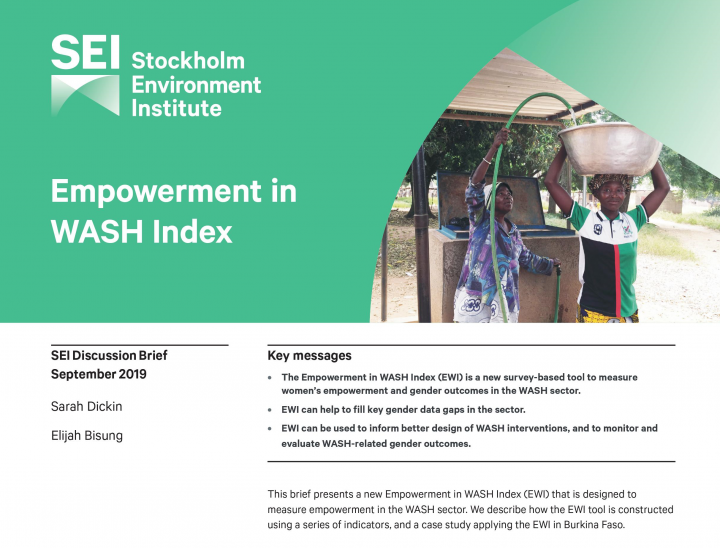
This brief presents a new Empowerment in WASH Index (EWI) that is designed to measure empowerment in the WASH sector. We describe how the EWI tool is constructed using a series of indicators, and a case study applying the EWI in Burkina Faso.
The EWI measures agency, participation and empowerment in the water and sanitation sector. The Index is made up of indicators to assess empowerment in …
1943 Views
37 Downloads
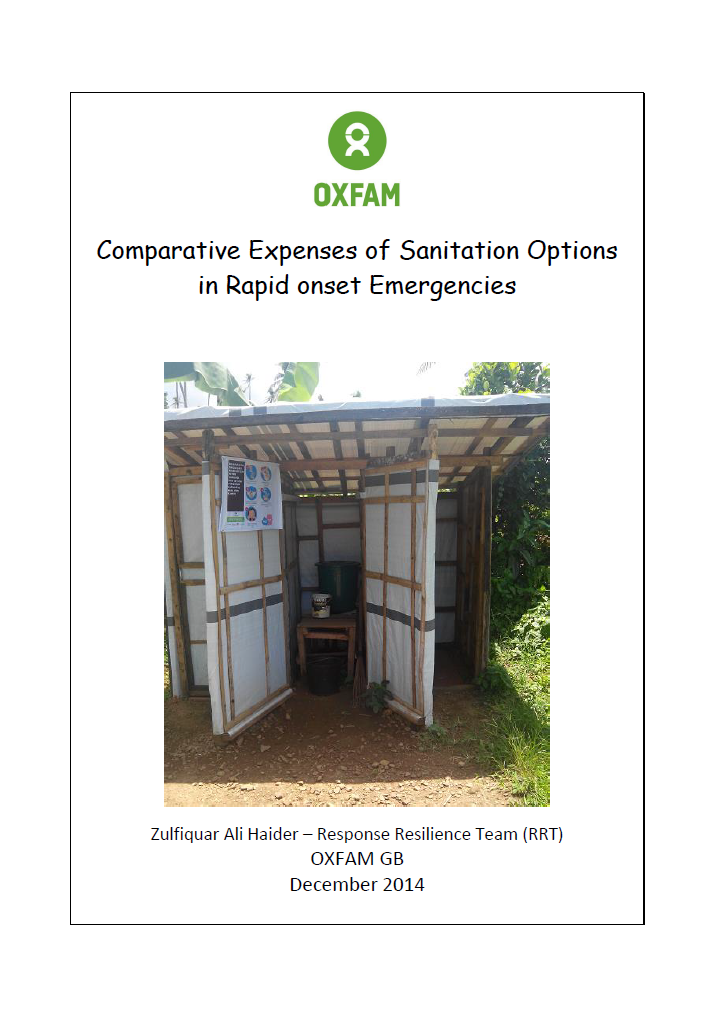
Several major donors are now looking for “value for money” in all WaSH emergency programmes. Therefore in order to justify the cost of Oxfam’s selected latrine design not only should initial construction cost be considered but also the on- going operation & maintenance costs to ensure that we are providing “value for money” in phase of emergency and the long run.
In saying this, …
1220 Views
37 Downloads
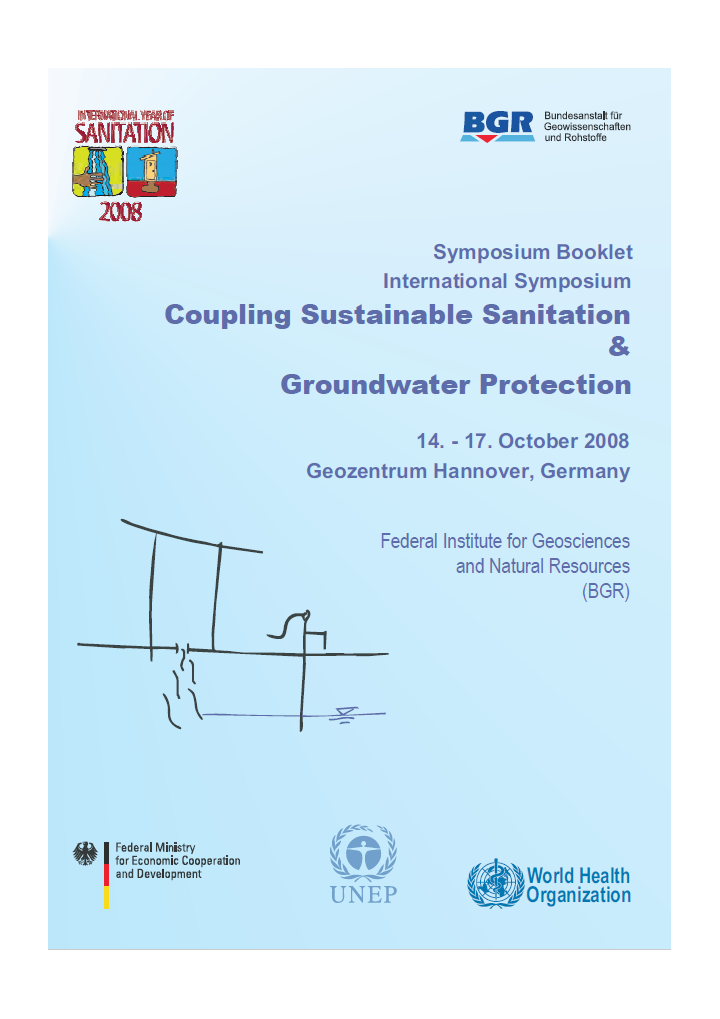
From 14-17 October 2008, the German Federal Institute for Geosciences and Natural Resources (BGR) convened the international symposium on “Coupling Sustainable Sanitation and Groundwater Protection” in Hannover, Germany, in order to highlight the immense problems of groundwater pollution due to absent or inadequate sanitation facilities in developing countries.
Together with international …

1801 Views
37 Downloads
These guidelines were developed for use by all UNHCR staff and implementing partners (IP) working at field level with persons of concern to UNHCR. They are particularly aimed at those working in the WASH sector and those who need more detailed information on hygiene promotion than is currently given in the HP Chapter of the UNHCR WASH Manual. The guidelines may also be of use to those working in …
1866 Views
37 Downloads
These Guidance Notes are intended to help people involved with an Initial Rapid Assessment (IRA) at coordination and field levels to prepare for, organize and carry out an IRA, analyse the data collected to make essential decisions on immediate response, funding and/or follow on assessments. Section 2 is primarily aimed at coordination level and Section 3 at field level. The sections most …
2501 Views
37 Downloads
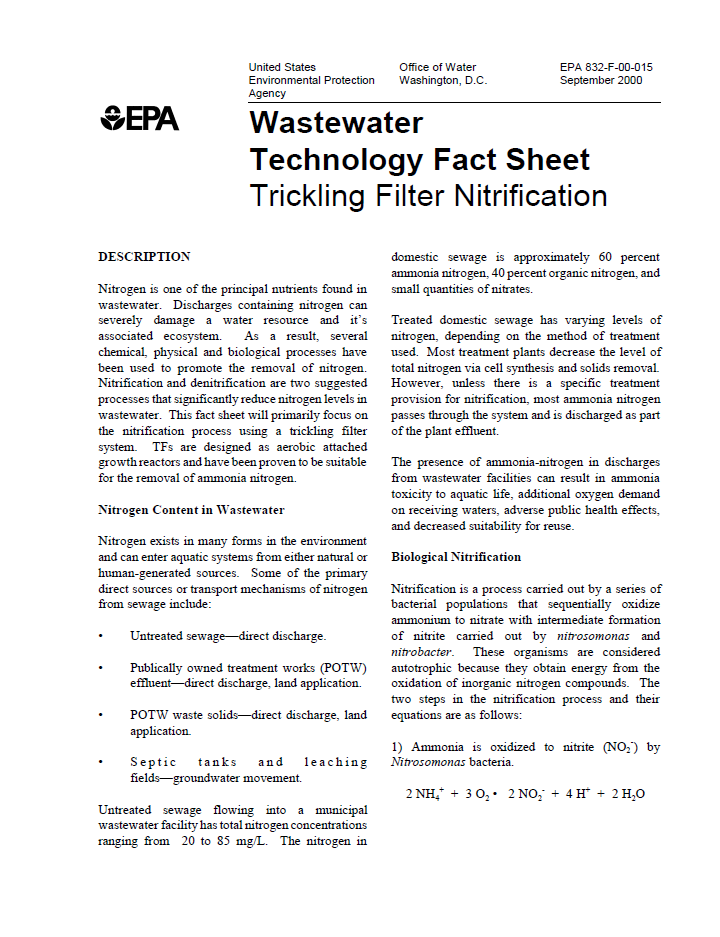
Nitrogen is one of the principal nutrients found in wastewater. Discharges containing nitrogen can severely damage a water resource and it’s associated ecosystem. As a result, several chemical, physical and biological processes have been used to promote the removal of nitrogen. Nitrification and denitrification are two suggested processes that significantly reduce nitrogen levels in wastewater. …
1146 Views
37 Downloads
FSM4 was held in Chennai, Tamil Nadu, where the State Government has recently initiated measures to address FSM with regard to policy, regulatory changes, innovative solutions, and pilots. FSM4 focused on innovative and practical solutions that can be scaled up.
Find below in chronological order the keynote presentations during the conference.
3940 Views
37 Downloads
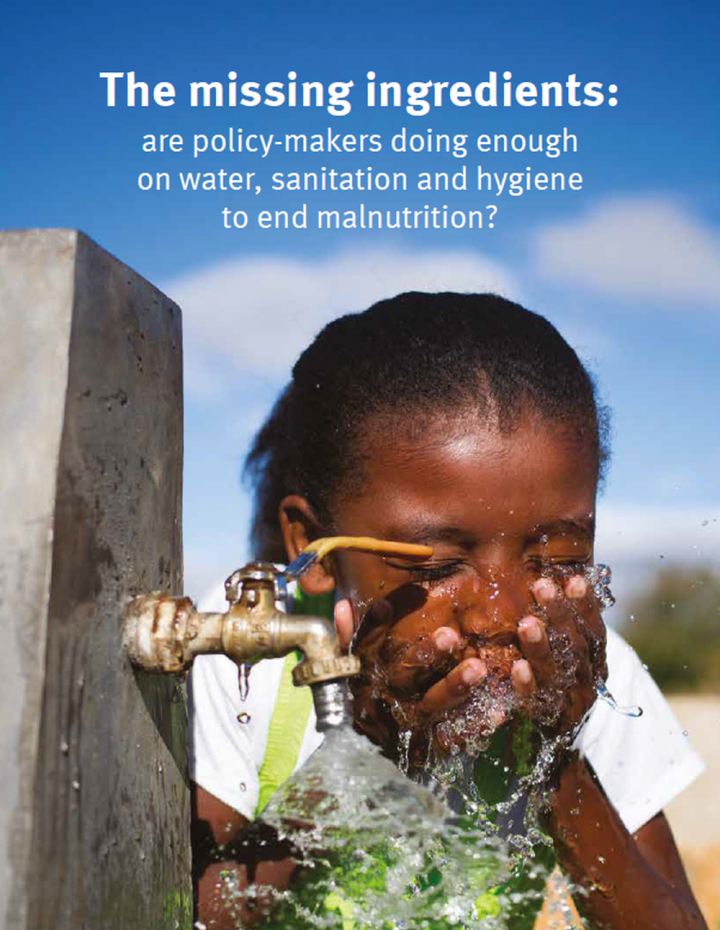
Governments around the world have committed to end malnutrition by 2030. However, international and national nutrition plans and actions will fail if they don’t include all the ingredients for success. Evidence shows that scaling up nutrition-specific interventions to 90% coverage in 34 of the countries with the highest burden of child undernutrition, will only reduce stunting by 20%.
This …
3098 Views
37 Downloads
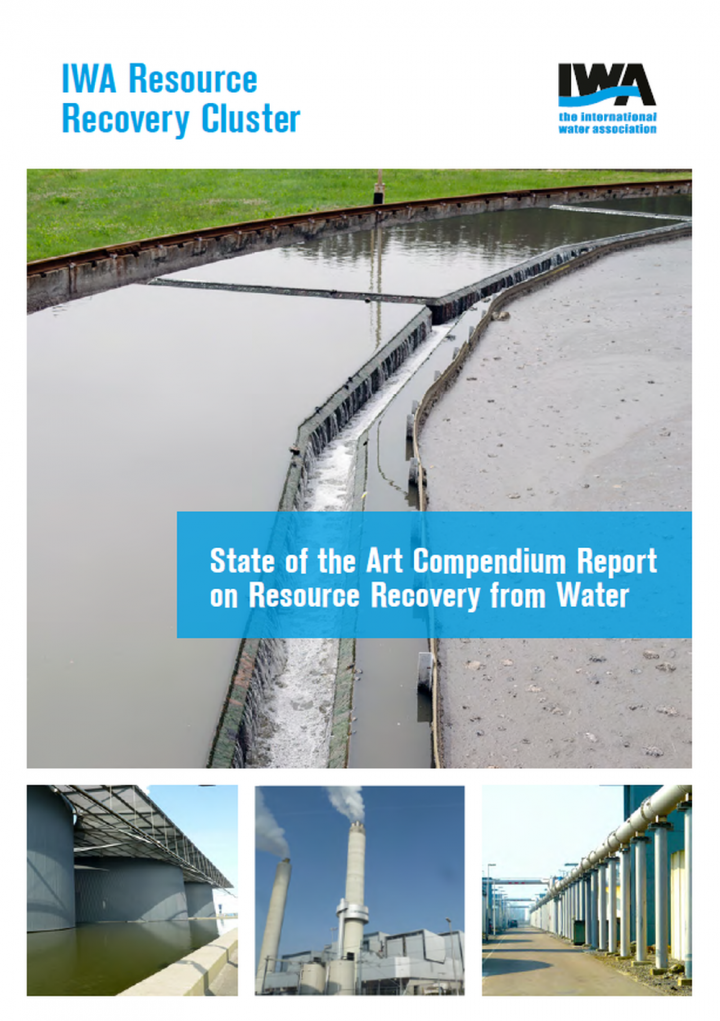
Increasing population growth leads to increased resource (water, food, chemicals and energy) demand. Concomitantly, increasing volumes of ‘used resources’, commonly considered waste, are produced. There is a growing awareness that the resources that could be potentially recovered from these used streams or wastes represent economic value and should not be lost. One of the greatest challenges …
1042 Views
36 Downloads
Tansen Municipality is one of the oldest municipalities in the country, established in March 1950. It is located in Palpa District, Lumbini Province. The Municipality has a total of 14 political wards. Tansen Municipality occupies an area of 109.8 square kilometres. The municipality has a total population of 50,792 with 23,414 males and 27,378 females (Census 2021, n.d.).
Palpa District was …
1280 Views
36 Downloads
Mwanza City, popularly known as “The Rock City”, is situated in the north-west of Tanzania on the southern shores of the Lake Victoria. Mwanza city is the second largest city in Tanzania and is the capital of Mwanza Region. The city covers an area of 256 sq.km, divided into land area covering 173 sq.km, equivalent to 67.6 % of total area and 83.0 sq.km, equivalent to 32.4 % of water area, …


